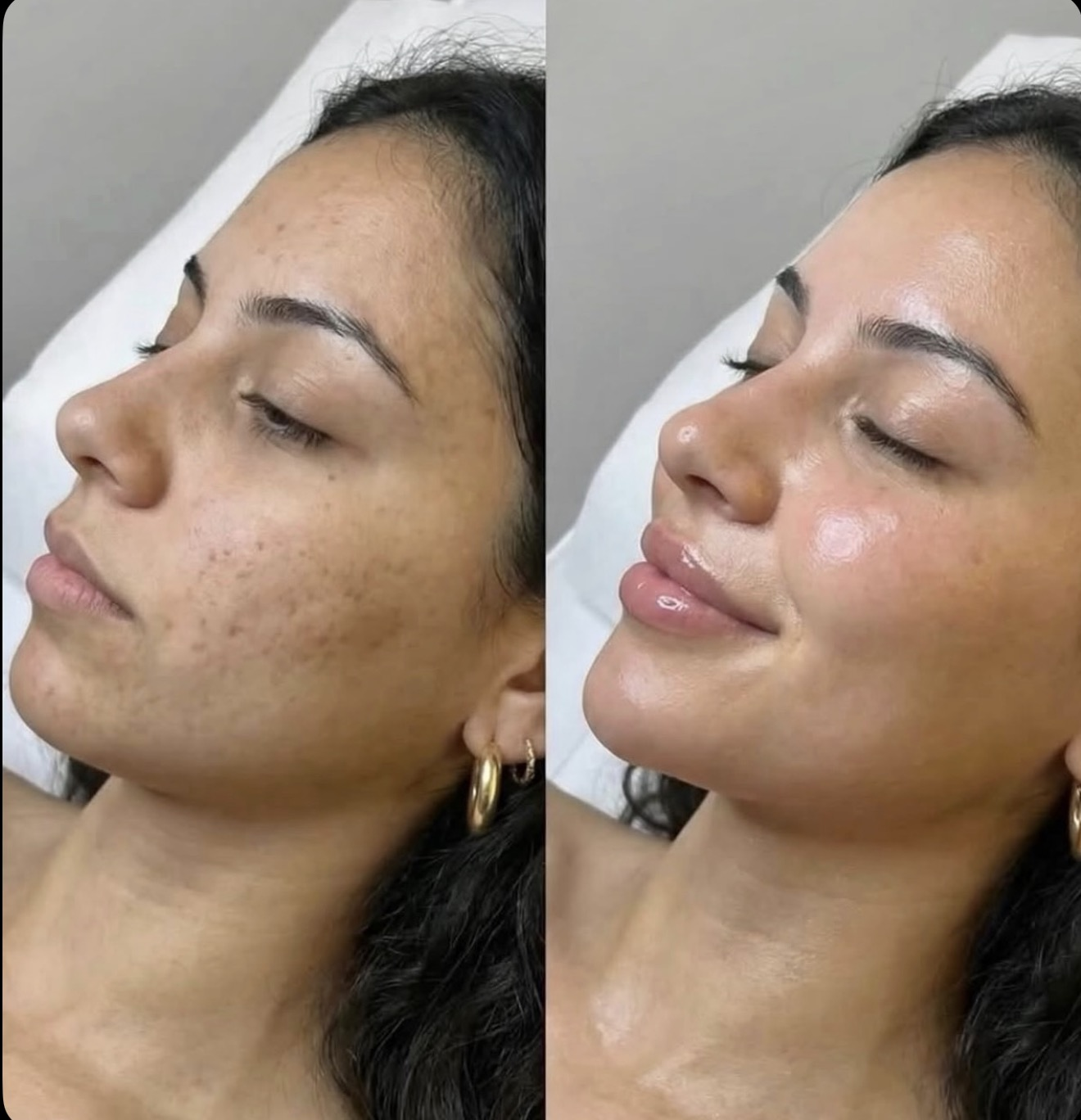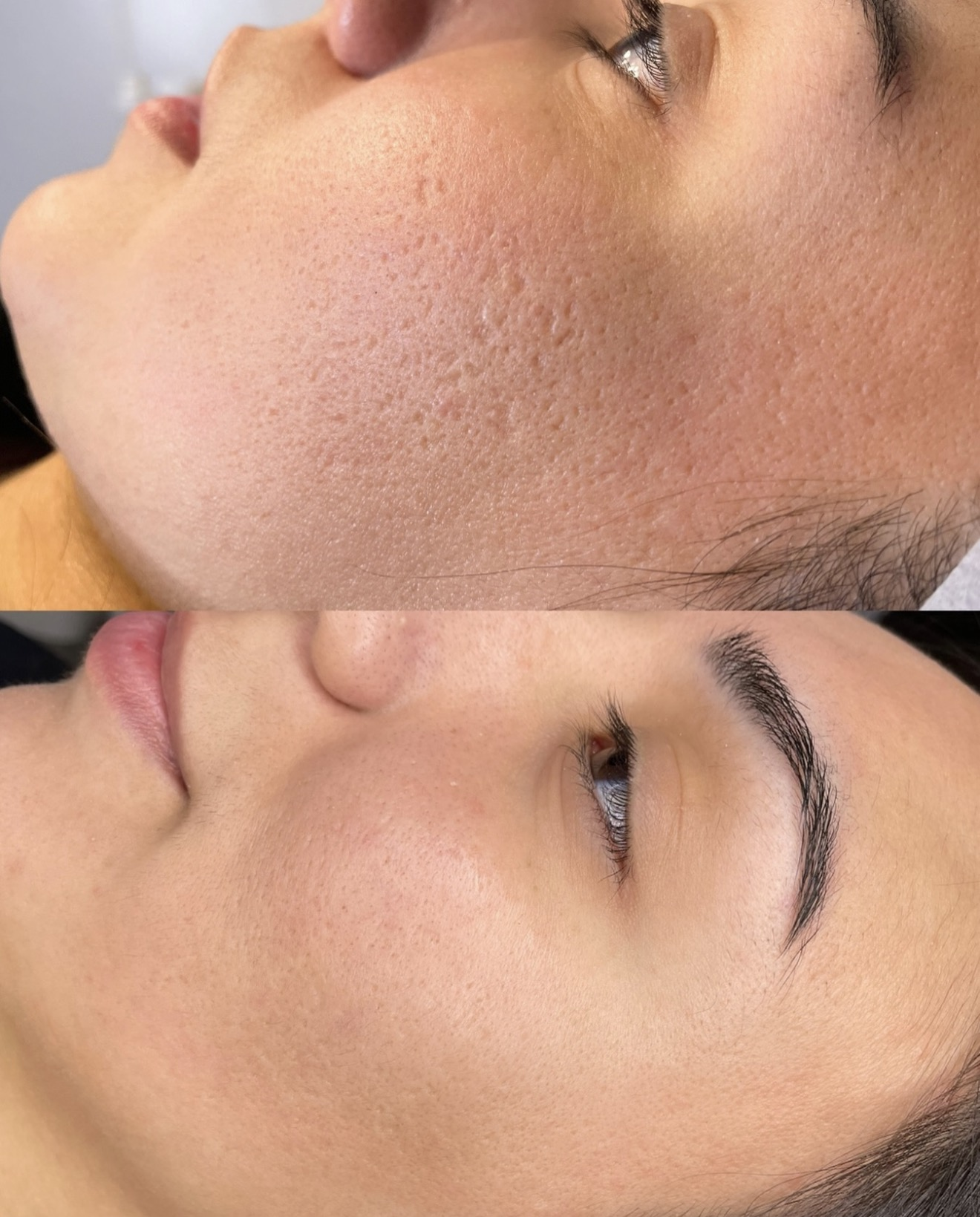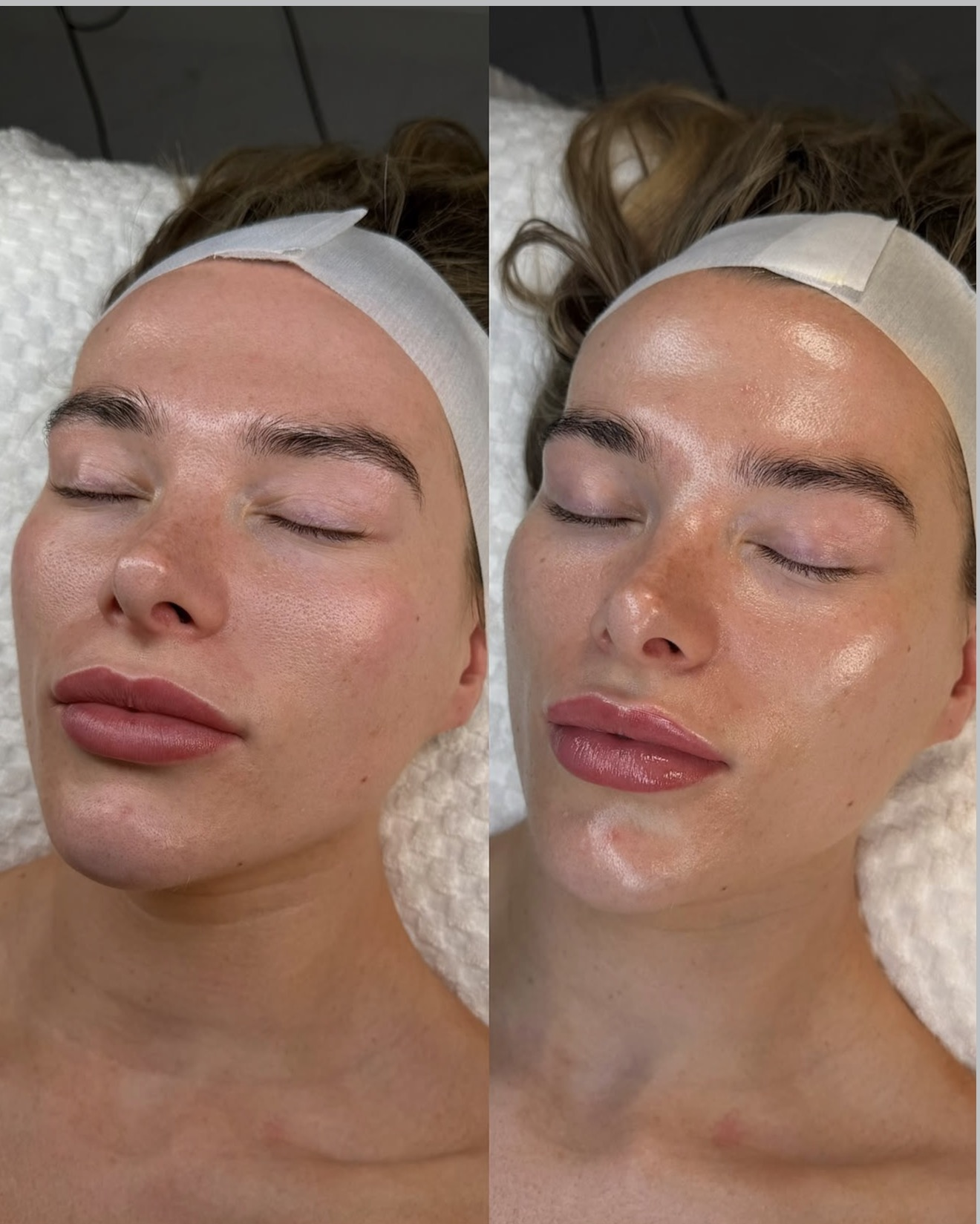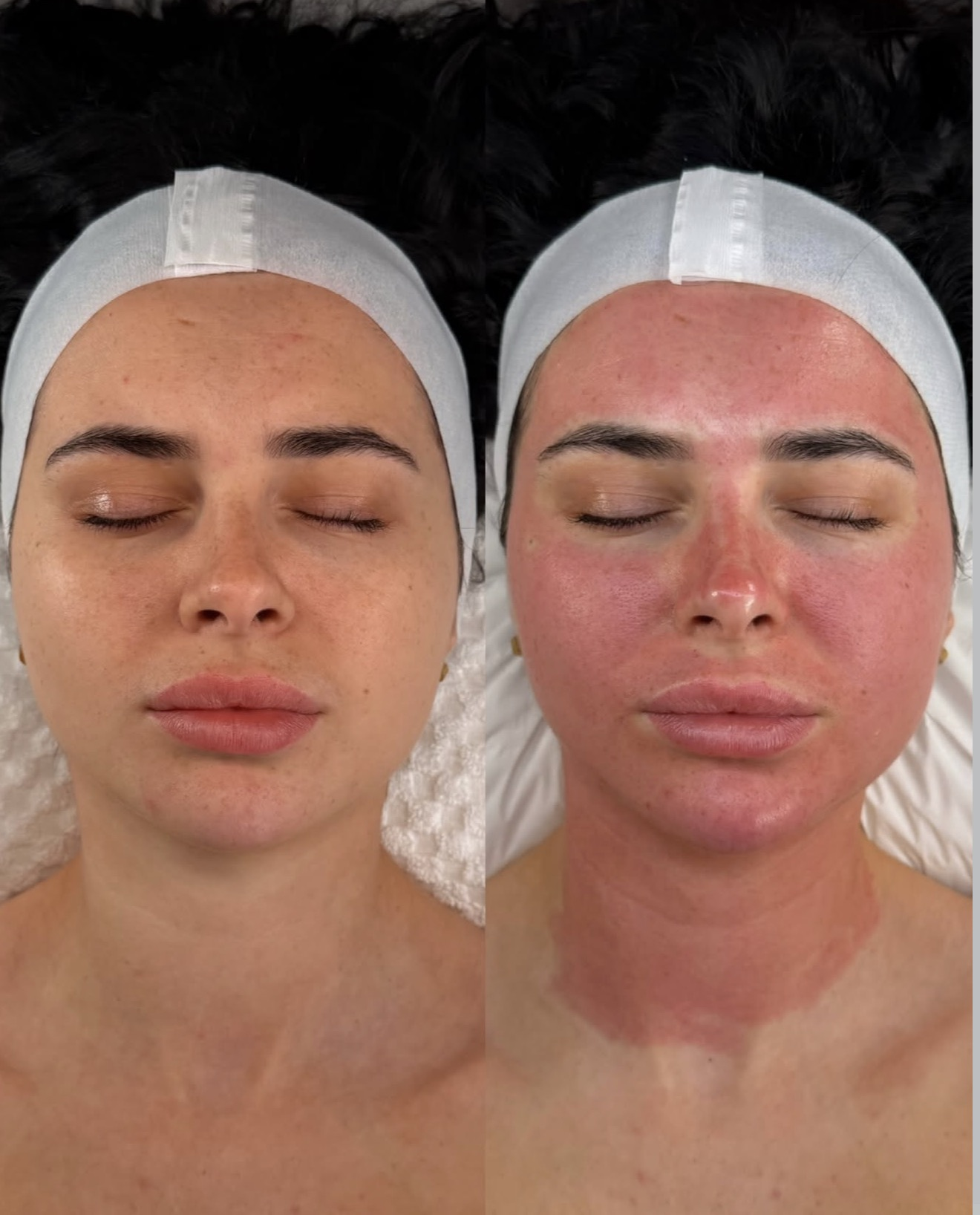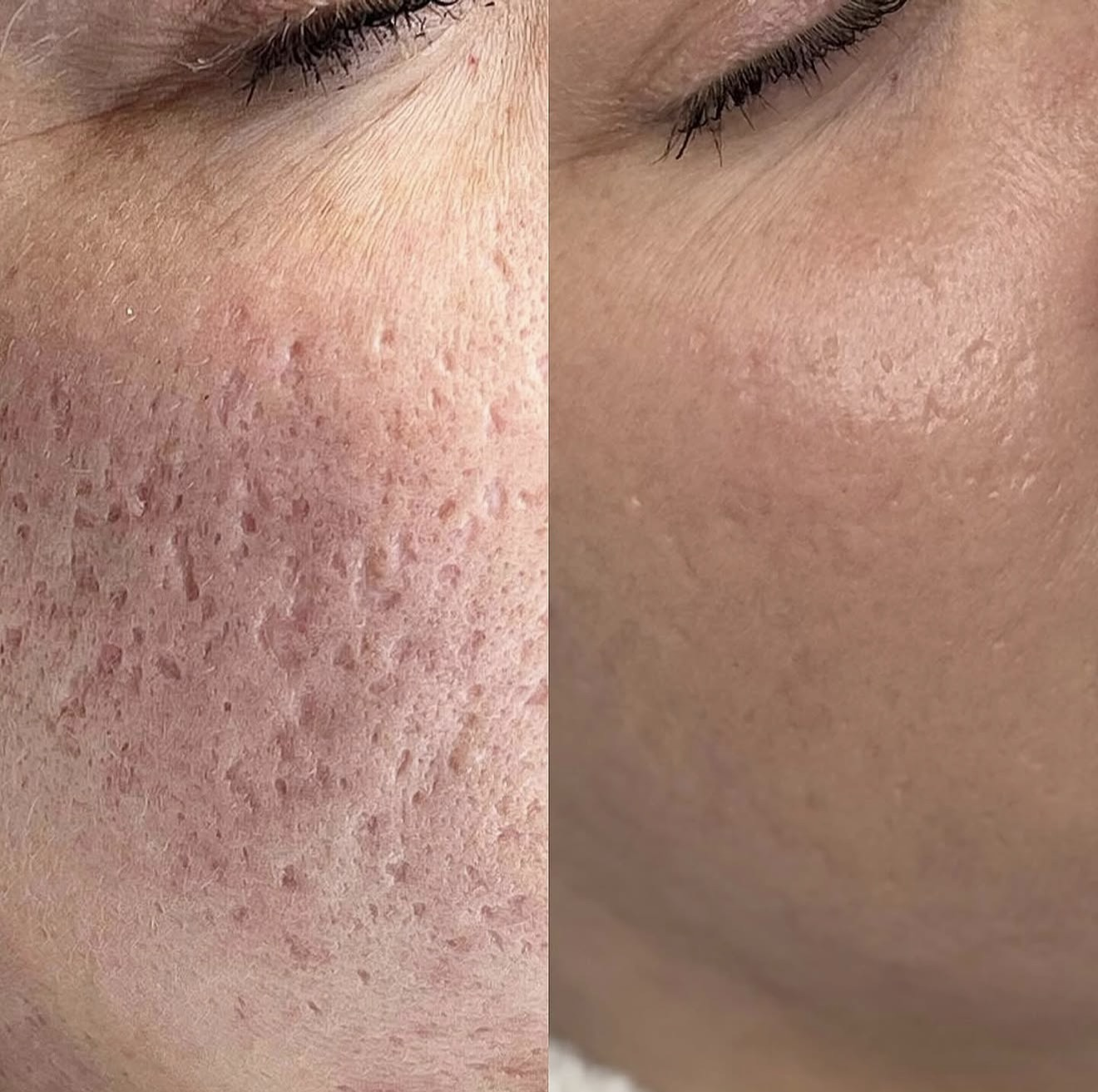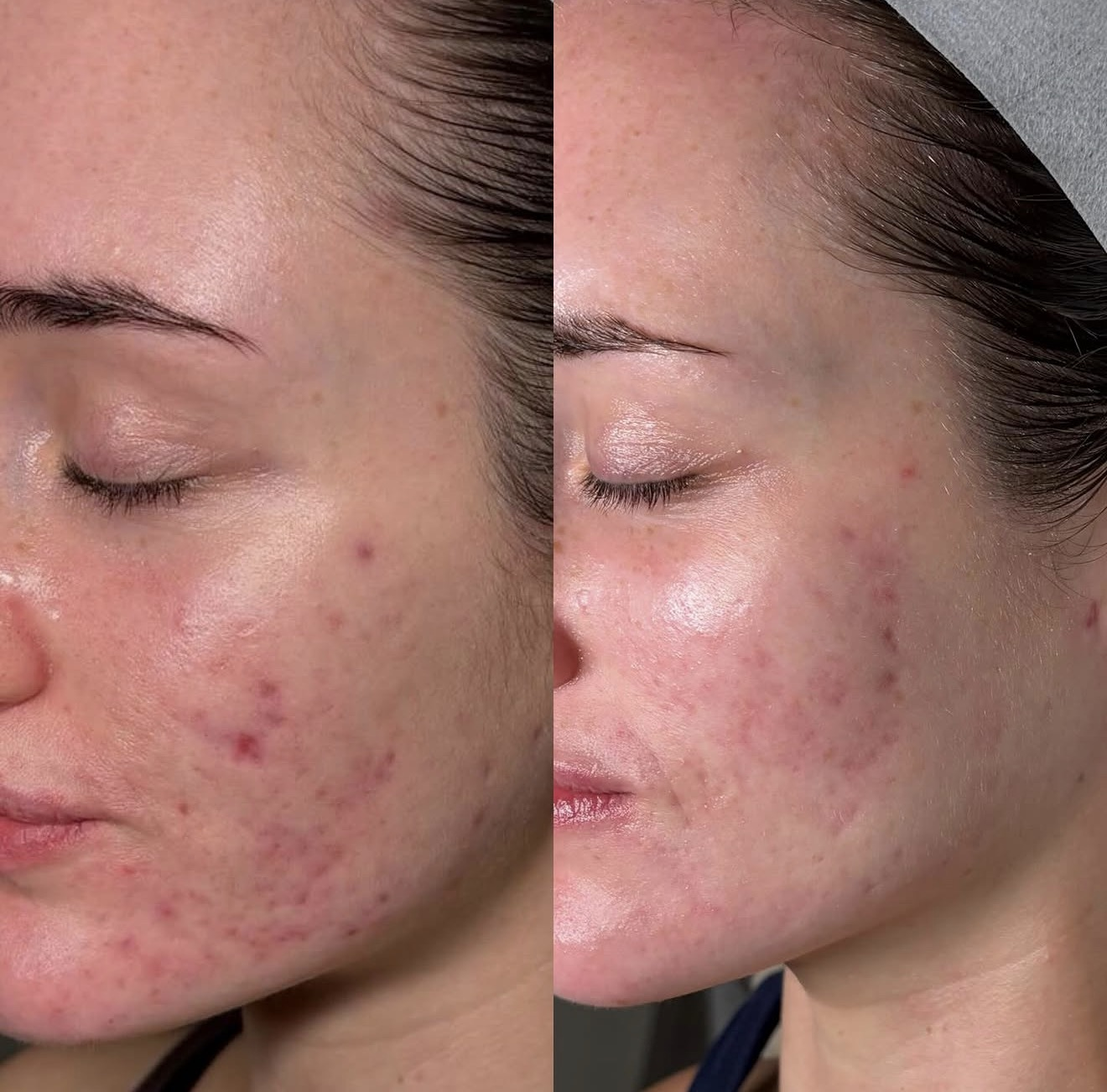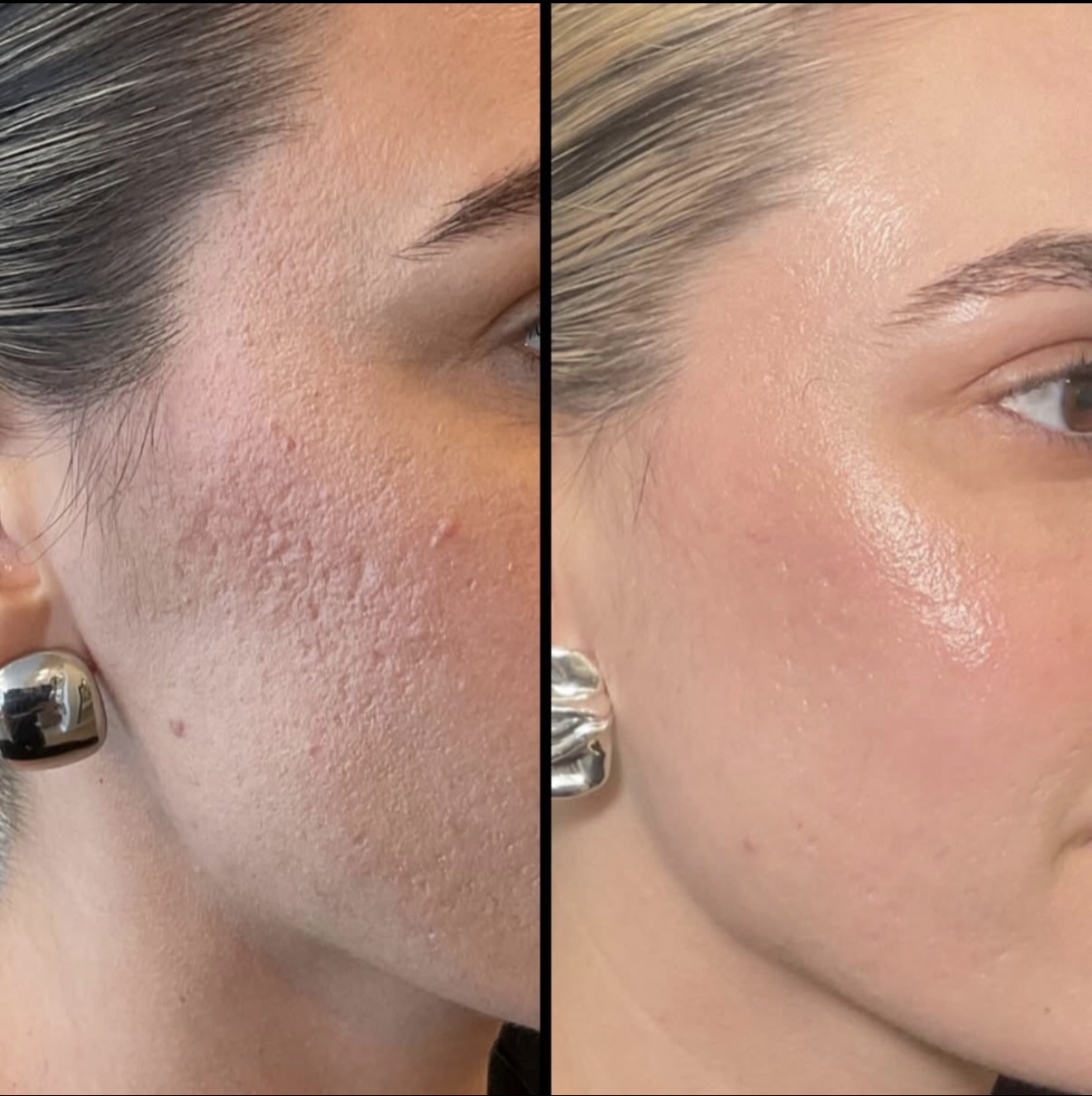
Melasma and dark spots are among the most stubborn skin concerns to treat, and they're also among the most common. Whether triggered by sun exposure, hormones, or past breakouts, these patches of pigmentation can linger long after the cause has resolved. The good news is that a well-chosen chemical peel can meaningfully fade them. The key is matching the right peel to the right type of pigmentation — and committing to the aftercare that prevents it from returning. Here's how chemical peels in Toronto address melasma and dark spots.
Pigmentation is also one of the most psychologically draining skin concerns, because it's so visible and so slow to shift. Many clients try multiple over-the-counter brighteners with little result and conclude that nothing works. The reality is that fading pigmentation requires the right active, at the right concentration, delivered consistently — which is exactly what a professional chemical peel provides. Understanding the process is the first step to staying the course long enough to see real change.
Understanding Melasma vs. Dark Spots
Not all pigmentation is the same, and the distinction matters for treatment. Melasma is a hormonal form of hyperpigmentation that often appears as larger, symmetrical patches on the cheeks, forehead, or upper lip. It's notoriously reactive to heat and sun, which means it can darken and lighten with exposure. Post-inflammatory hyperpigmentation (PIH), on the other hand, is the dark mark left behind after a breakout or injury to the skin — smaller, more localized, and generally more responsive to treatment.
Sun spots, or solar lentigines, are another category entirely: the result of cumulative UV damage over years. Each type responds differently to peels, which is why a professional assessment is the essential first step. Treating melasma the same way you'd treat a sun spot can backfire, so accurate identification matters before any acid touches your skin.
How Chemical Peels Fade Pigmentation
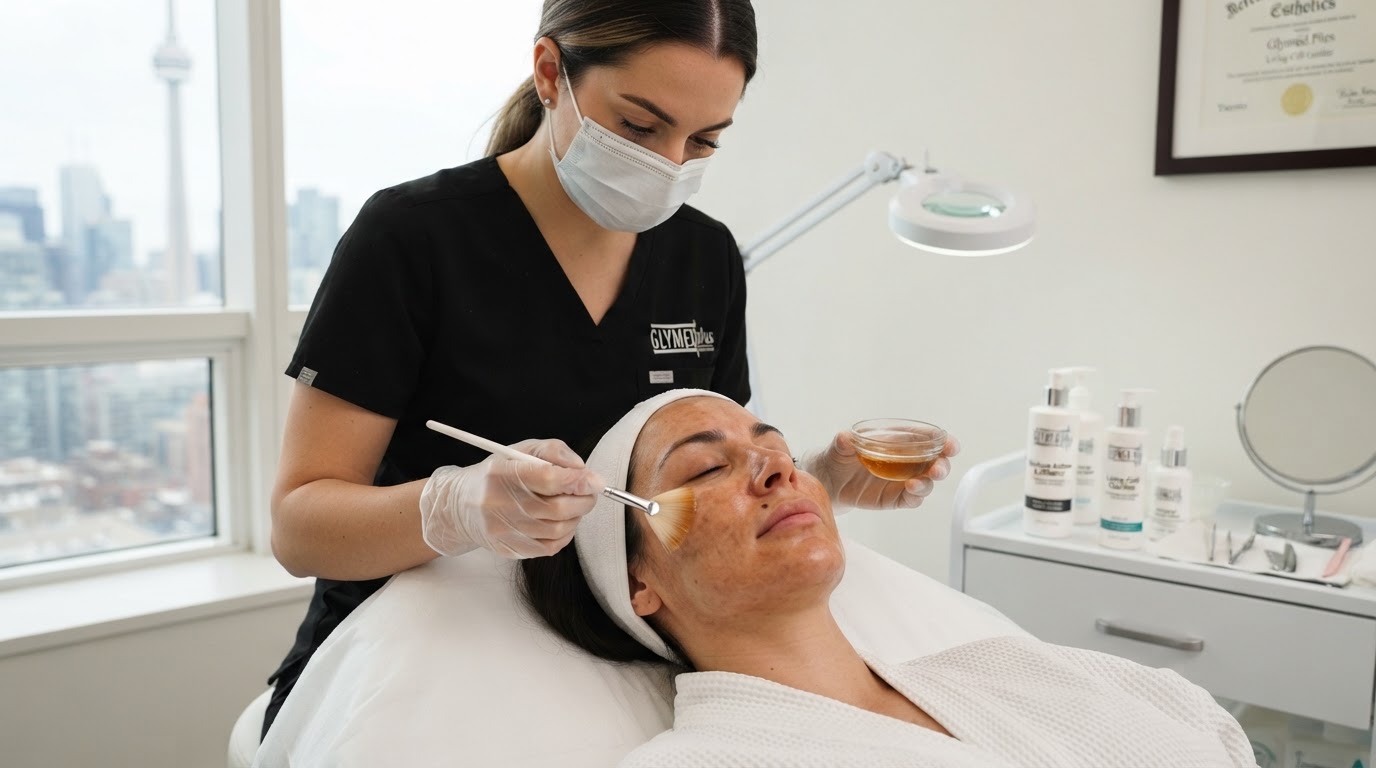
A chemical peel works by applying a controlled acid solution to the skin that loosens the bonds between dead, pigmented cells and accelerates their shedding. As the damaged outer layers are removed, fresher, more even-toned skin surfaces. At the same time, the peel stimulates cell turnover and collagen production, which helps the skin rebuild a more uniform tone over time.
Which Peels Work Best for Pigmentation?
Glycolic Acid Peels
Glycolic acid, an alpha-hydroxy acid, is one of the most effective ingredients for surface pigmentation. It accelerates cell turnover so dark spots fade faster and the overall tone evens out. At Toronto Key Esthetics, we use GlyMed Plus professional glycolic peels, formulated to deliver results while respecting the skin barrier. Glycolic's small molecular size allows it to penetrate efficiently, which is why it's a staple for pigmentation protocols.
Lactic Acid Peels
Lactic acid is gentler and naturally hydrating, making it a strong choice for sensitive or dry skin dealing with pigmentation. It fades discoloration while improving moisture — important because a compromised barrier can actually worsen pigmentation. For reactive skin that can't tolerate glycolic, lactic is often the safer entry point.
Blended and Brightening Peels
For melasma specifically, blended peels that combine acids with brightening agents like kojic or azelaic acid can target pigment from multiple angles. These are often chosen for hormonal pigmentation that resists single-acid approaches. The combination approach is gentler overall because each individual acid is kept at a moderate strength while collectively addressing pigment, inflammation, and turnover.
Can a Chemical Peel Treat Melasma Safely?
Melasma requires a careful approach because it sits deeper in the skin and can be triggered to darken by inflammation or heat. The right peel — gentle, progressive, and paired with strict sun protection — can fade melasma significantly. The wrong peel, or one that's too aggressive, can cause post-inflammatory darkening that makes melasma worse. This is why melasma should always be treated by a professional who can select the appropriate depth and monitor your response at each session.
What to Expect During and After Your Peel
During the peel, you may feel a mild tingling or warmth as the solution works. The sensation is generally well-tolerated and brief. Afterward, mild redness and flaking over a few days is normal as the pigmented layers shed. Hydration and sun protection are critical during recovery — freshly revealed skin is highly vulnerable to UV, and any new sun exposure can re-trigger pigmentation. Skipping SPF after a pigmentation peel is the most common reason results don't last.
Most clients see initial brightening within a week, with continued improvement as collagen rebuilds over the following weeks. A series of peels spaced several weeks apart typically delivers the best results for established pigmentation, because each session builds on the last rather than starting over.
Why Prevention Matters as Much as Treatment
Pigmentation has a strong tendency to return, especially melasma. No peel can permanently 'cure' pigmentation if the triggers remain. Daily broad-spectrum SPF, sun avoidance during peak hours, and a maintenance skincare routine are essential to protect your results. We'll build a home regimen around your peel series to help prevent recurrence and prolong the even tone you achieve. Think of the peel as the accelerator and your home routine as the brakes that keep pigmentation from creeping back.
Combining Peels with Other Treatments
For complex pigmentation, a peel may be one part of a larger plan. Microneedling can help with textural concerns alongside pigmentation, and LED light therapy supports recovery and reduces inflammation. Your treatment plan is built around your specific pigmentation type and skin goals, not a one-size-fits-all protocol. A combined approach often produces better results than repeatedly doing the same single treatment.
It's also worth setting realistic expectations. Pigmentation didn't appear overnight, and it won't disappear overnight either. A peel series is a commitment measured in months, not days, and the clients who get the best results are the ones who show up consistently, protect their skin daily, and trust the process. The reward is skin that looks clearer and more even-toned than any single product could deliver on its own — and that stays that way because the underlying habits have changed.
Book Your Pigmentation Consultation in Toronto
Melasma and dark spots don't have to be permanent. With the right chemical peel and a committed approach to prevention, real fading is achievable. Book a consultation at Toronto Key Esthetics and our medical esthetician will assess your pigmentation and design a peel plan tailored to your skin.