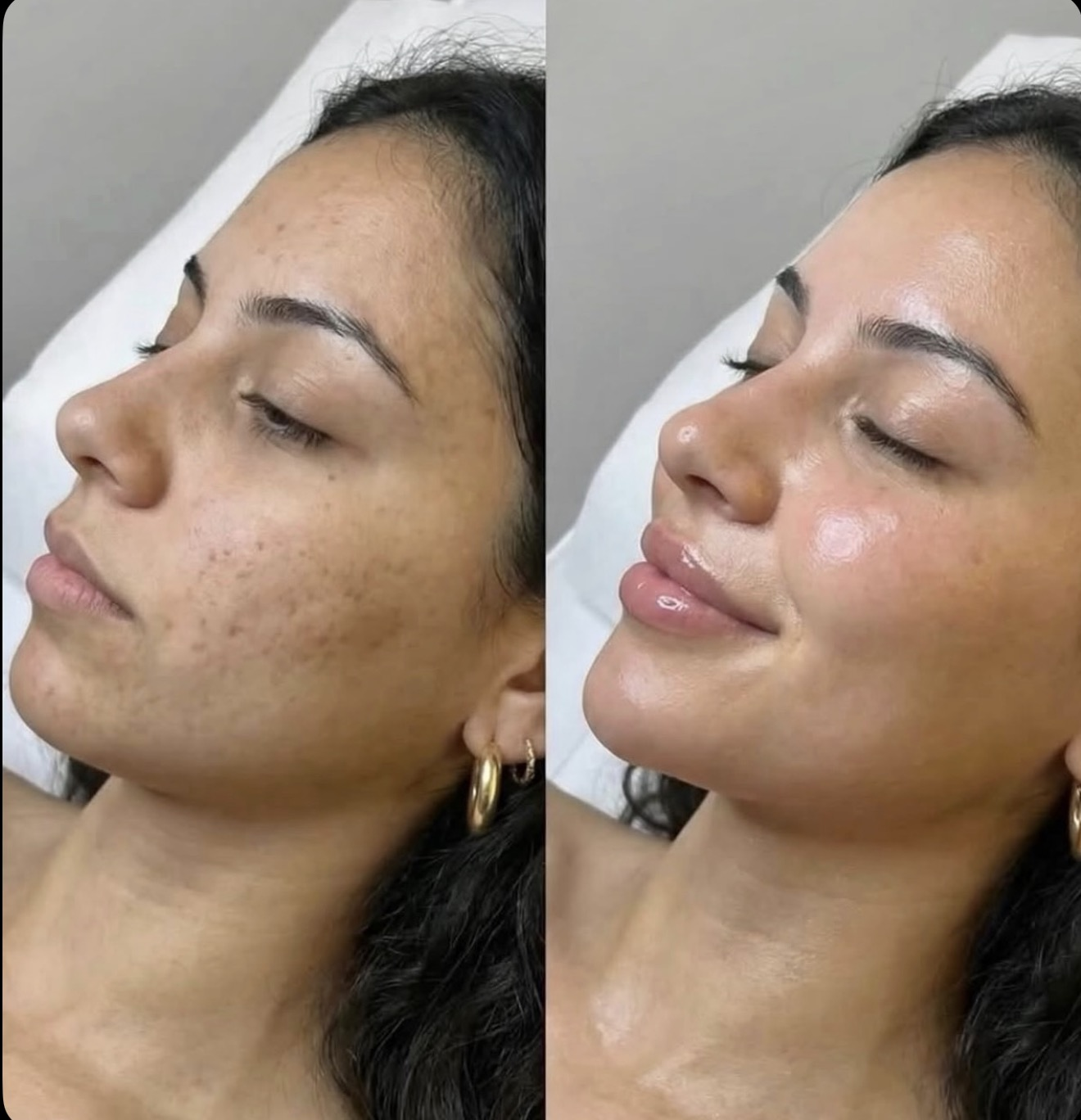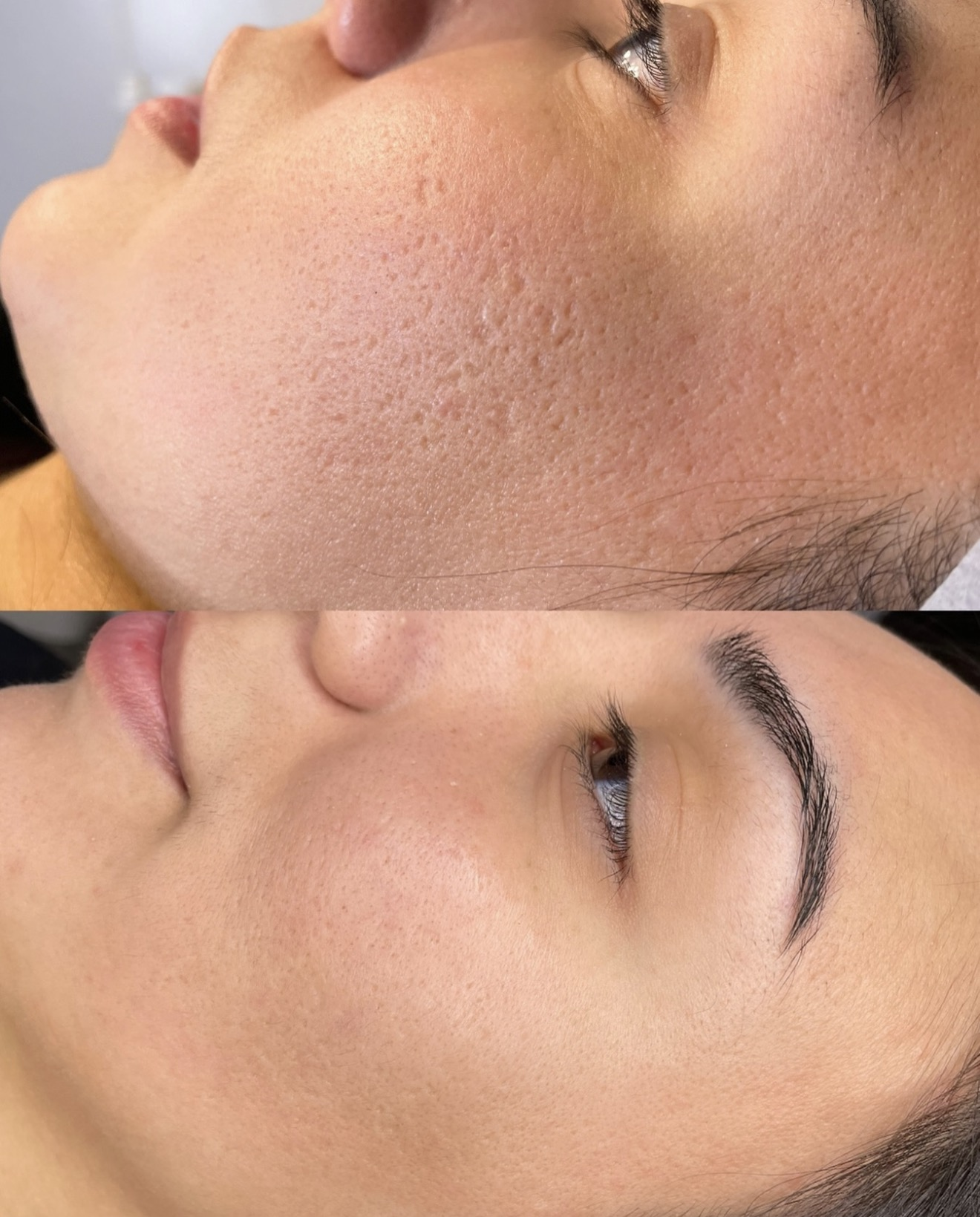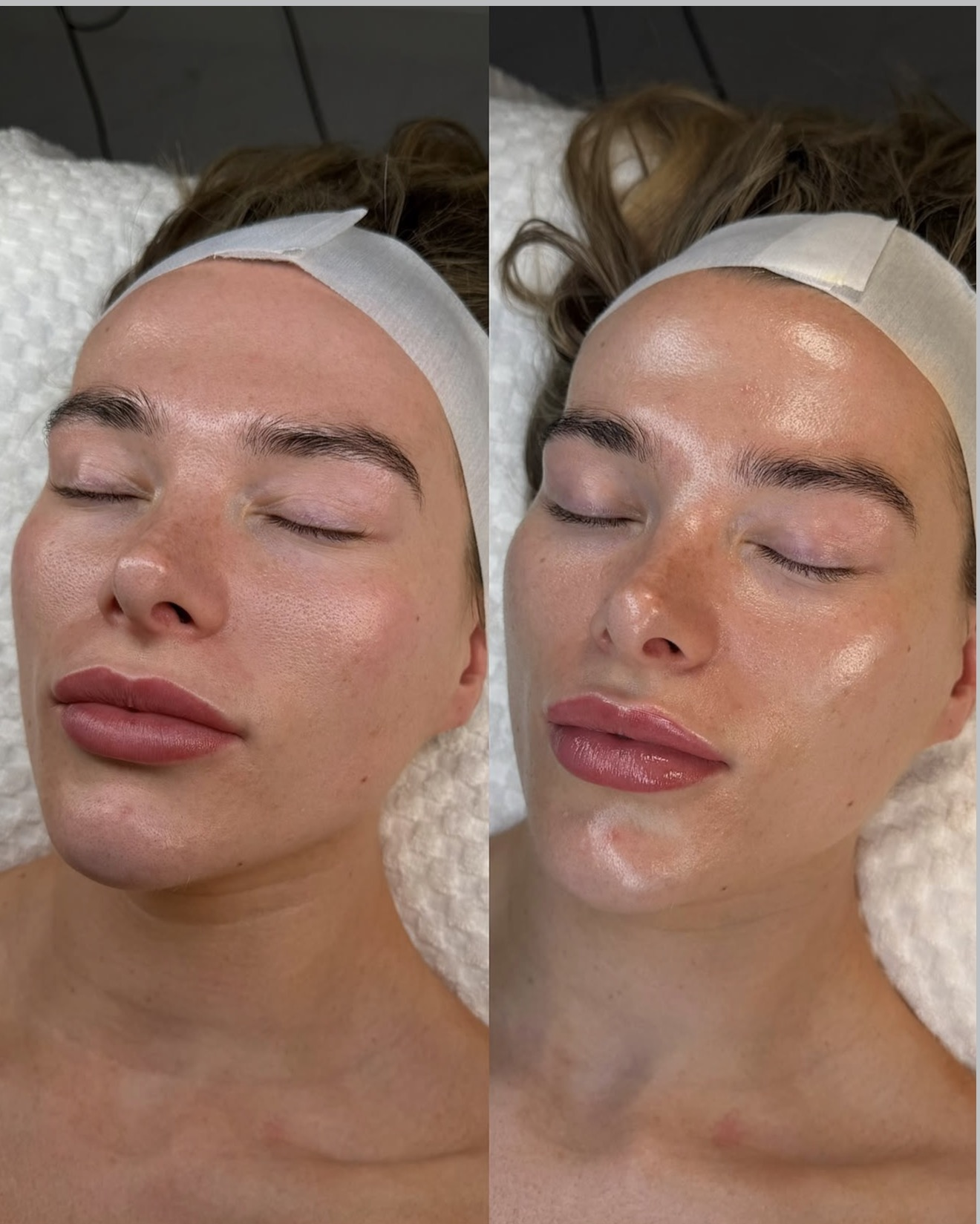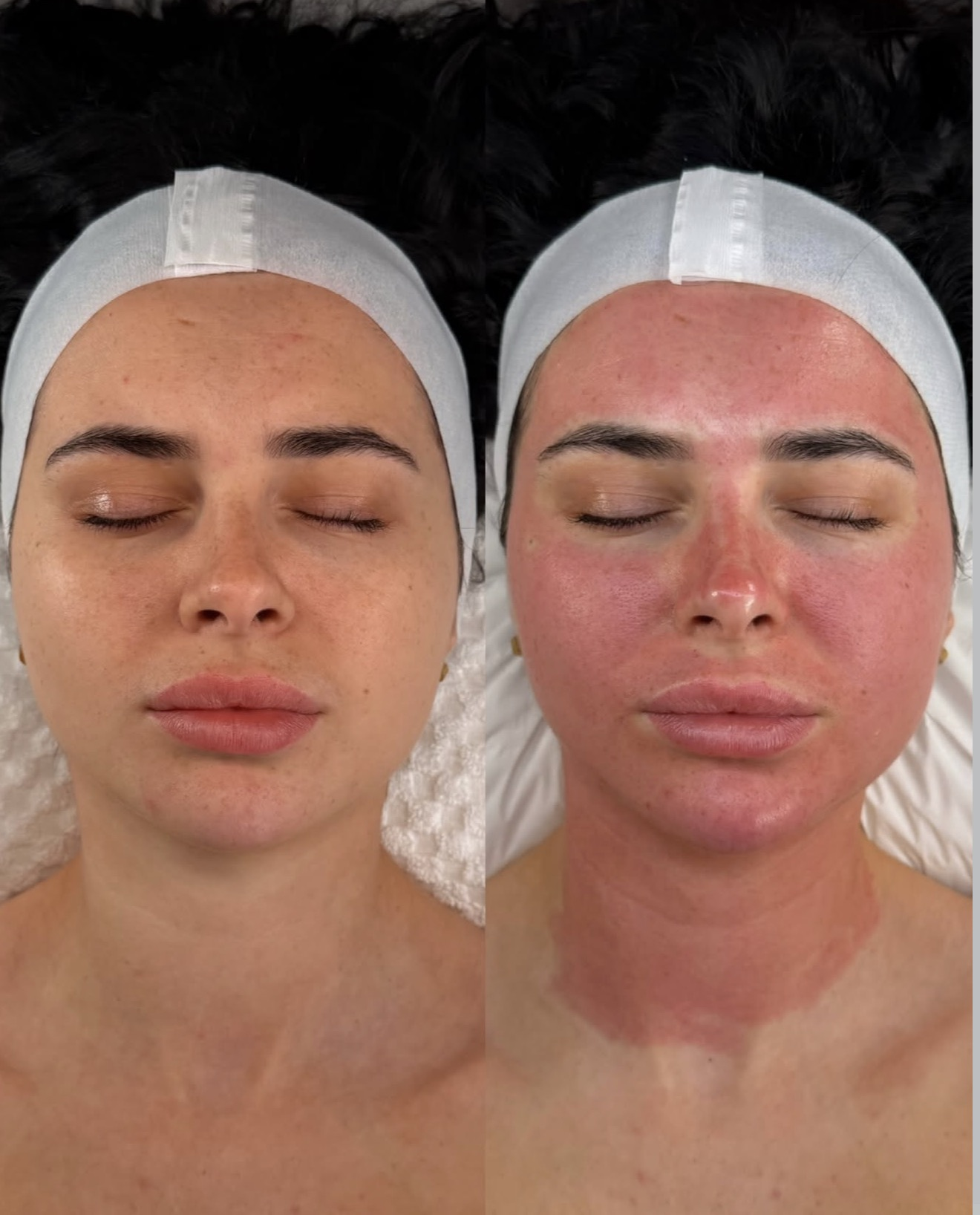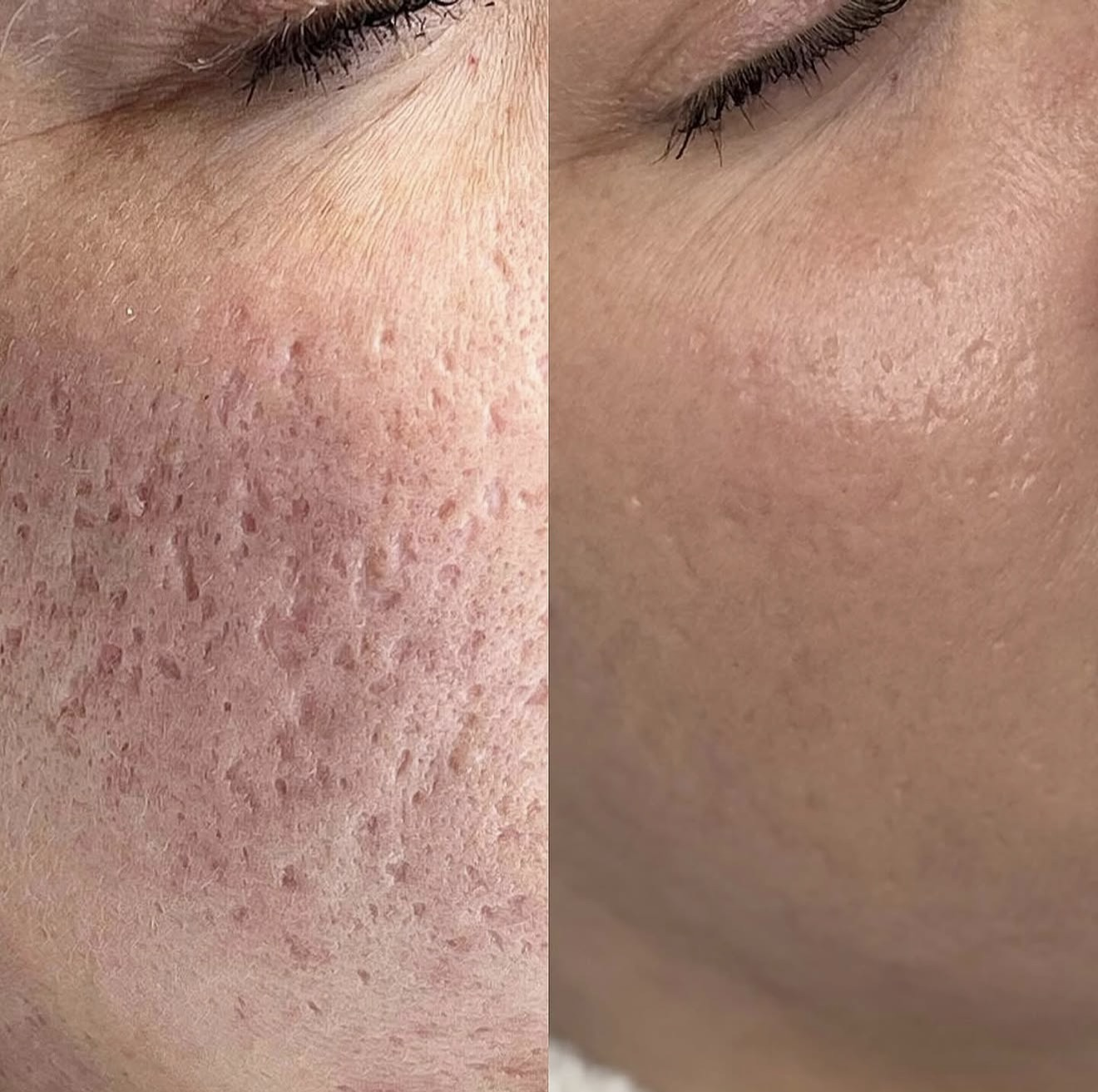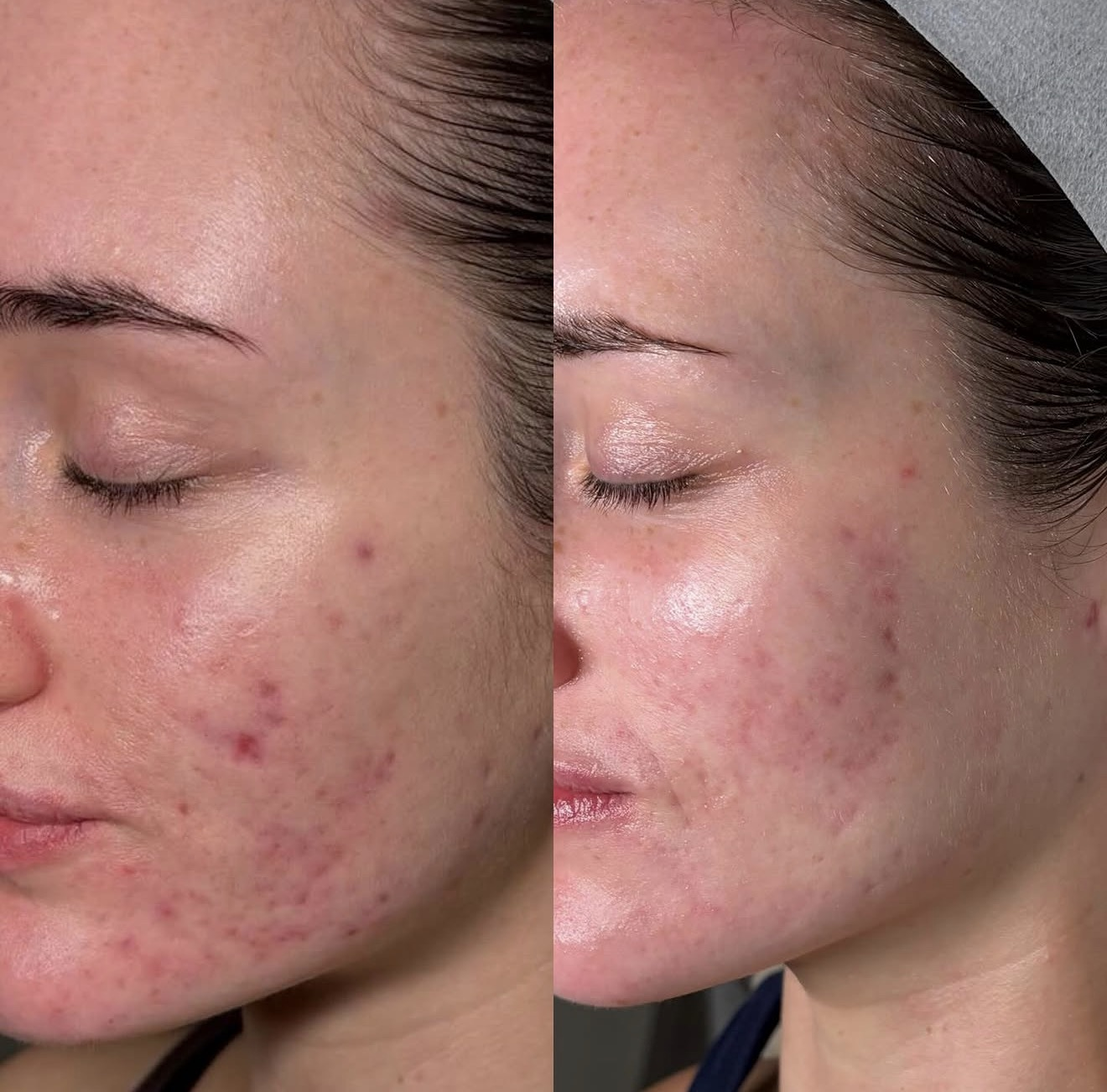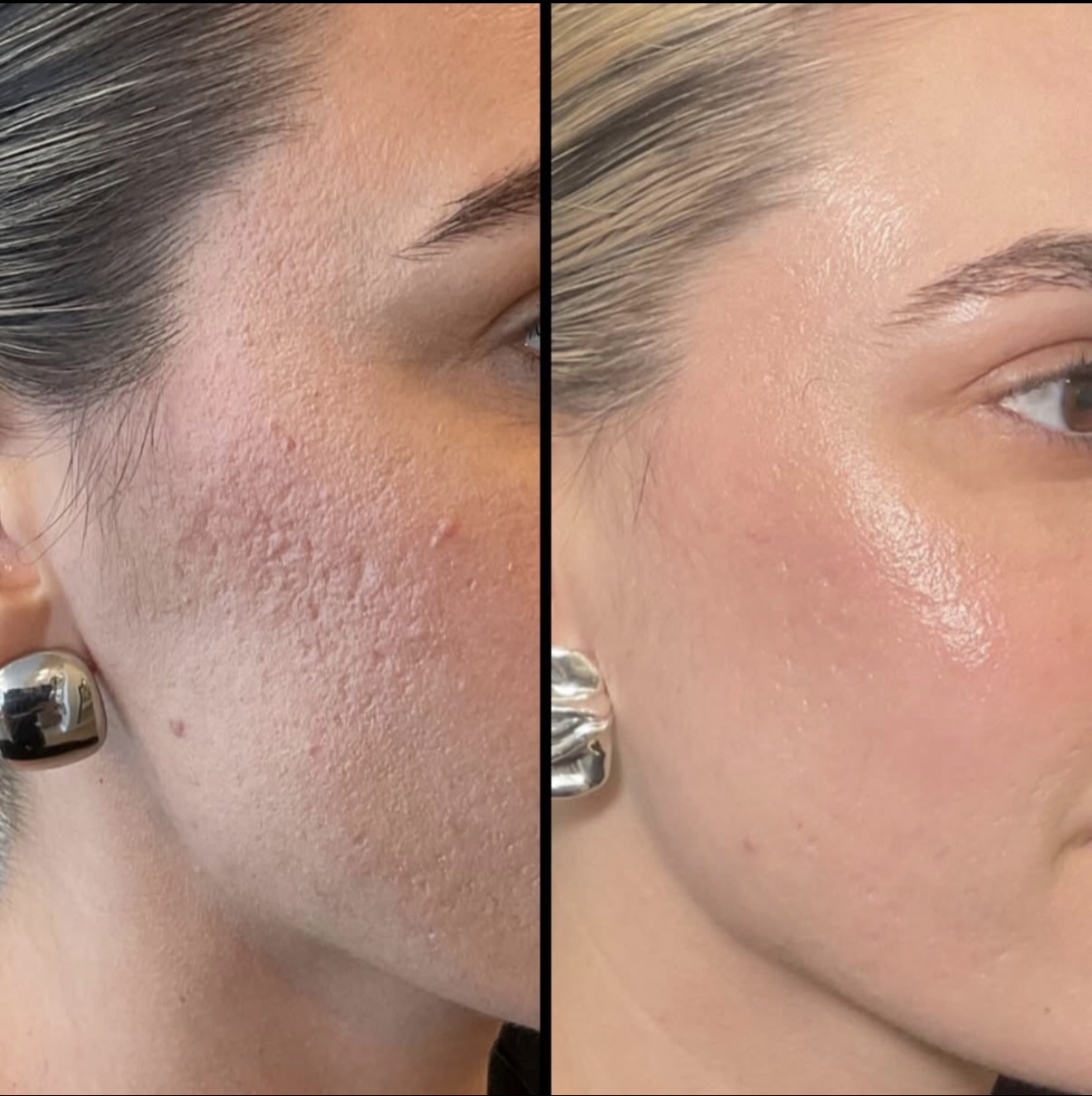
LED light therapy looks deceptively simple — you relax under a panel of glowing light for a few minutes. But behind that calm glow is decades of clinical research. LED (light-emitting diode) therapy uses specific wavelengths to trigger real, measurable changes in the skin.
How LED Light Therapy Works
Cells in the skin contain receptors that absorb light energy. When exposed to particular wavelengths, mitochondria — the energy centres of the cell — produce more ATP (adenosine triphosphate). That extra energy accelerates healing, boosts collagen production, and regulates inflammation.
The Main Wavelengths and What They Treat
Red Light (630–660 nm): Collagen and Calming
Red light penetrates deeply enough to reach the dermis, where collagen is made. It stimulates fibroblasts to produce new collagen and elastin, improves circulation, and soothes redness. It's the go-to wavelength for anti-ageing, skin tightening, and post-treatment recovery.
Blue Light (405–420 nm): Acne Control
Blue light targets Propionibacterium acnes — the bacteria responsible for inflammatory breakouts. By destroying the bacteria and reducing oil production, blue light is a gentle but effective option for acne-prone skin without the irritation of harsh topicals.
Near-Infrared Light: Deep Healing
Often combined with red light, near-infrared reaches the deepest layers to accelerate tissue repair and reduce persistent inflammation.
Is LED Therapy Right for You?
LED therapy is non-invasive, painless, and has no downtime, which makes it suitable for nearly every skin type. It's an excellent standalone treatment for maintenance and a powerful add-on to facials, microneedling, or peels — it shortens recovery and amplifies results.
Add LED Therapy to Your Next Treatment
At Toronto Key Esthetics, LED therapy is woven into our signature facials and available as an enhancement for microneedling and peels. Book your treatment and let us build the right light protocol for your skin.