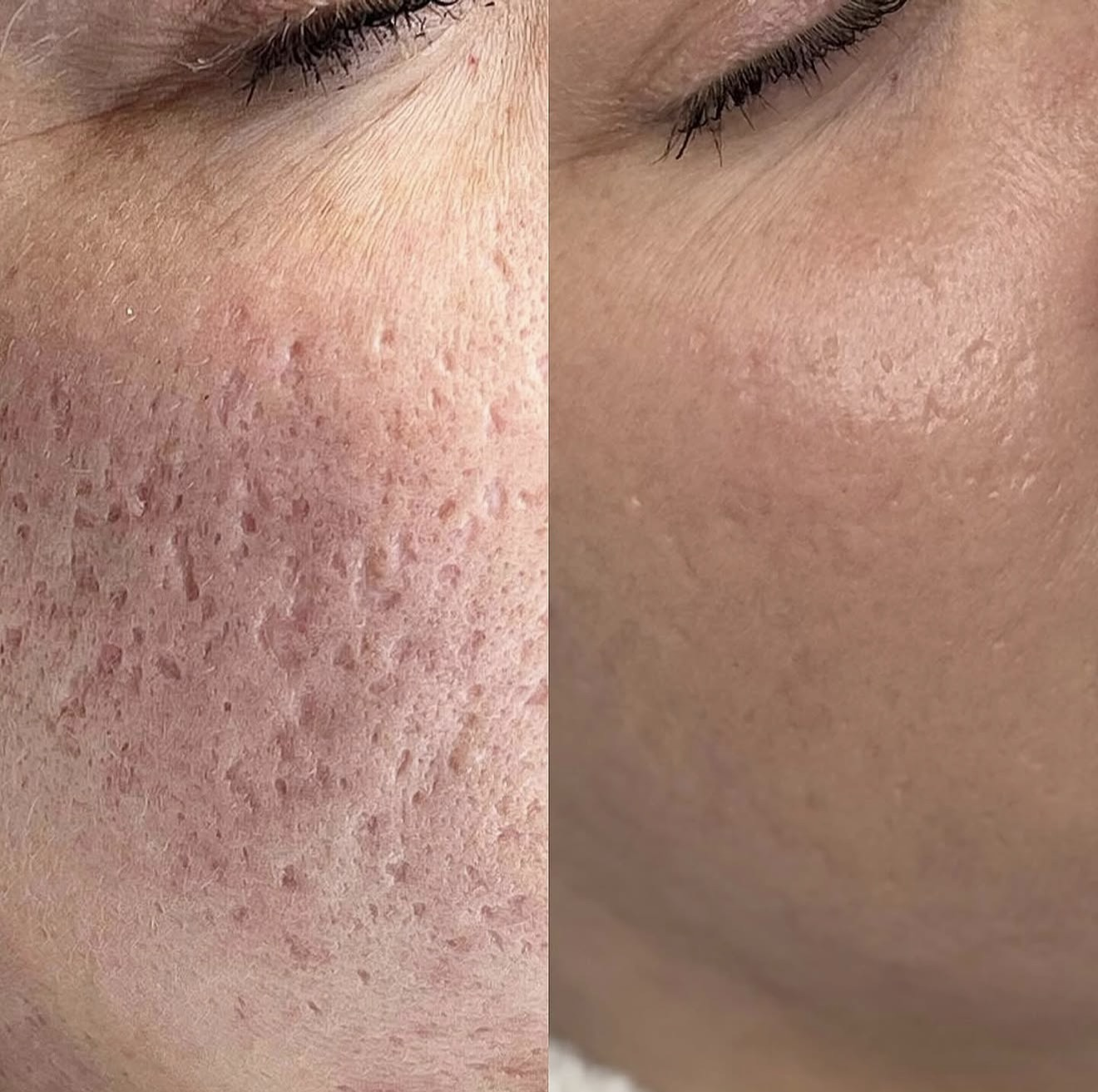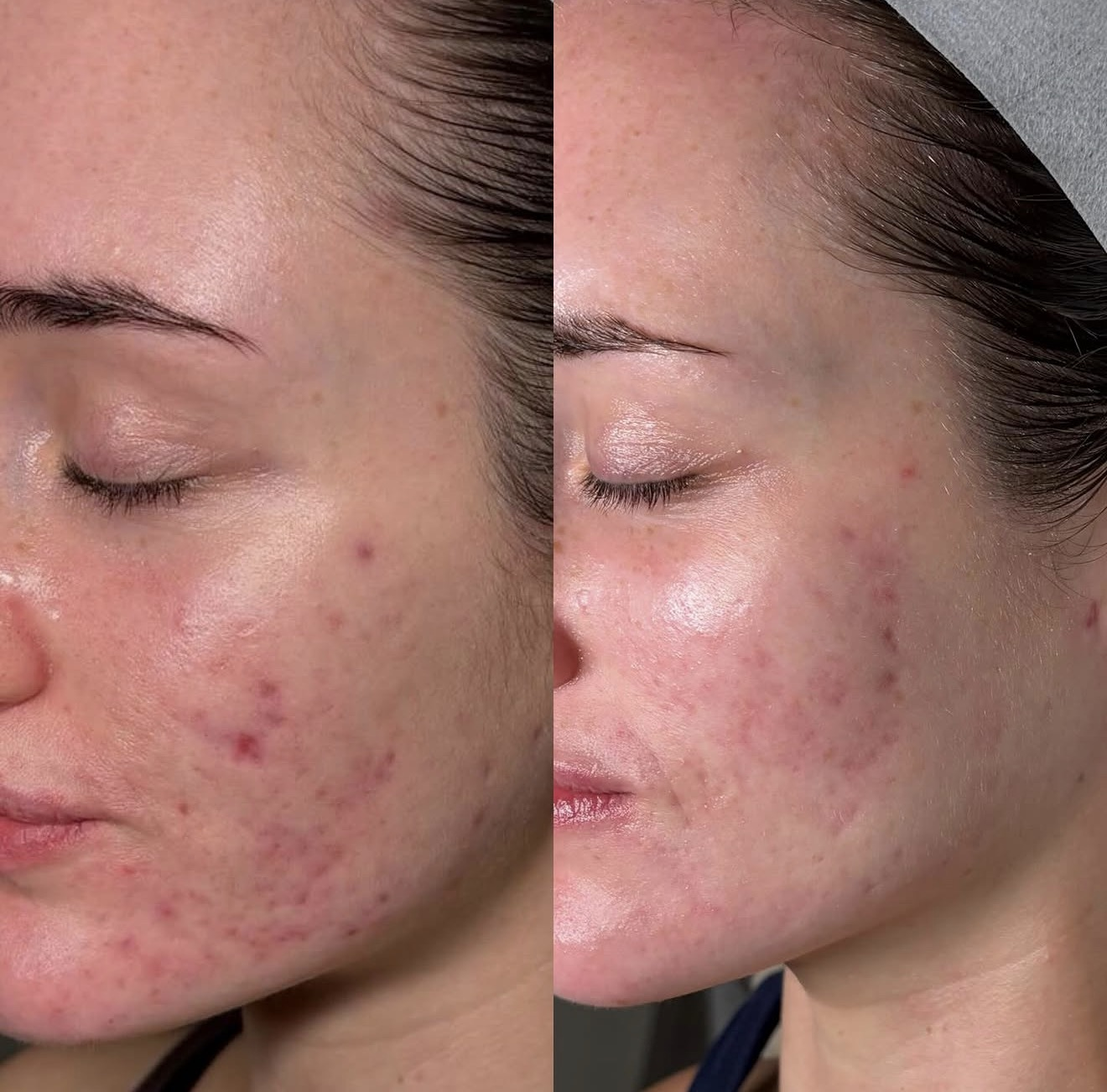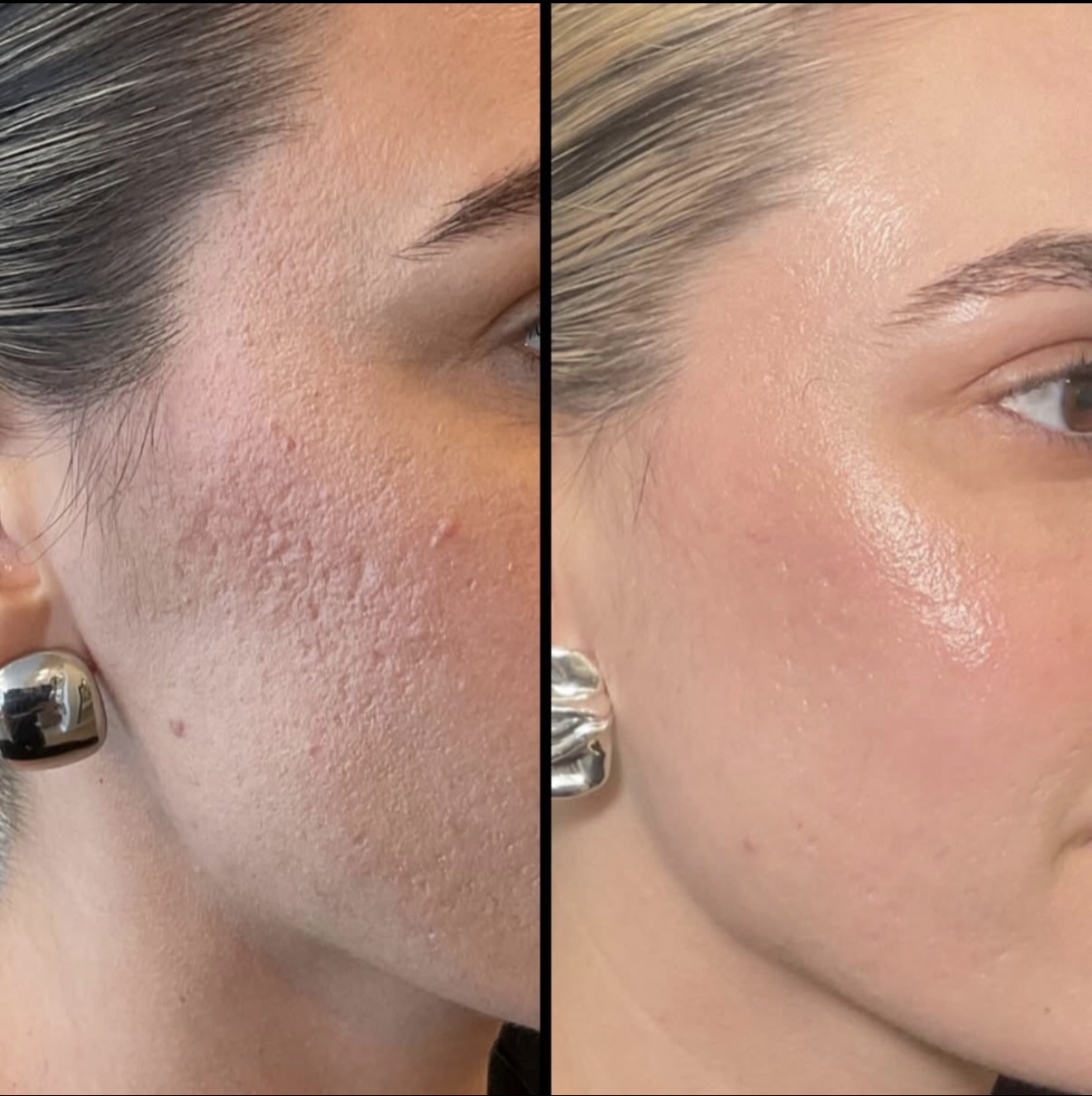
Regenerative skincare has moved well beyond basic hydration and exfoliation. Two of the most talked-about advanced treatments today are PDRN and exosomes — both designed to harness the skin's own repair mechanisms for faster, deeper rejuvenation. If you've heard the terms but aren't sure which one is right for you, you're not alone. Here's a clear, jargon-free comparison of PDRN vs exosomes, what each does, and how a medical esthetician in Toronto can help you decide.
Both treatments belong to a category sometimes called regenerative aesthetics, which focuses on stimulating the skin's own biology rather than mechanically removing or filling tissue. The appeal is obvious: instead of fighting the ageing process with force, regenerative treatments encourage the skin to rebuild itself. But the science can be intimidating, so understanding the practical differences — not the marketing — is what helps you choose well.
What Is PDRN?
PDRN stands for polydeoxyribonucleotide — a DNA-derived compound, most commonly sourced from salmon, that has been used in regenerative medicine for years. In skincare, PDRN is applied (often via microneedling or topical delivery) to accelerate tissue repair, reduce inflammation, and stimulate cellular renewal.
Think of PDRN as a signal that tells your skin cells to repair and regenerate more efficiently. It's particularly valued for post-treatment recovery, anti-ageing, and improving overall skin quality and elasticity. Because it's well-tolerated and gentle, it's often used as a recovery and maintenance treatment rather than an intensive corrective one.
What Are Exosomes?
Exosomes are tiny messenger vesicles released by cells that carry growth factors, proteins, and genetic instructions to other cells. In aesthetics, exosome treatments deliver these messengers to the skin to instruct cells to produce more collagen, reduce inflammation, and accelerate healing.
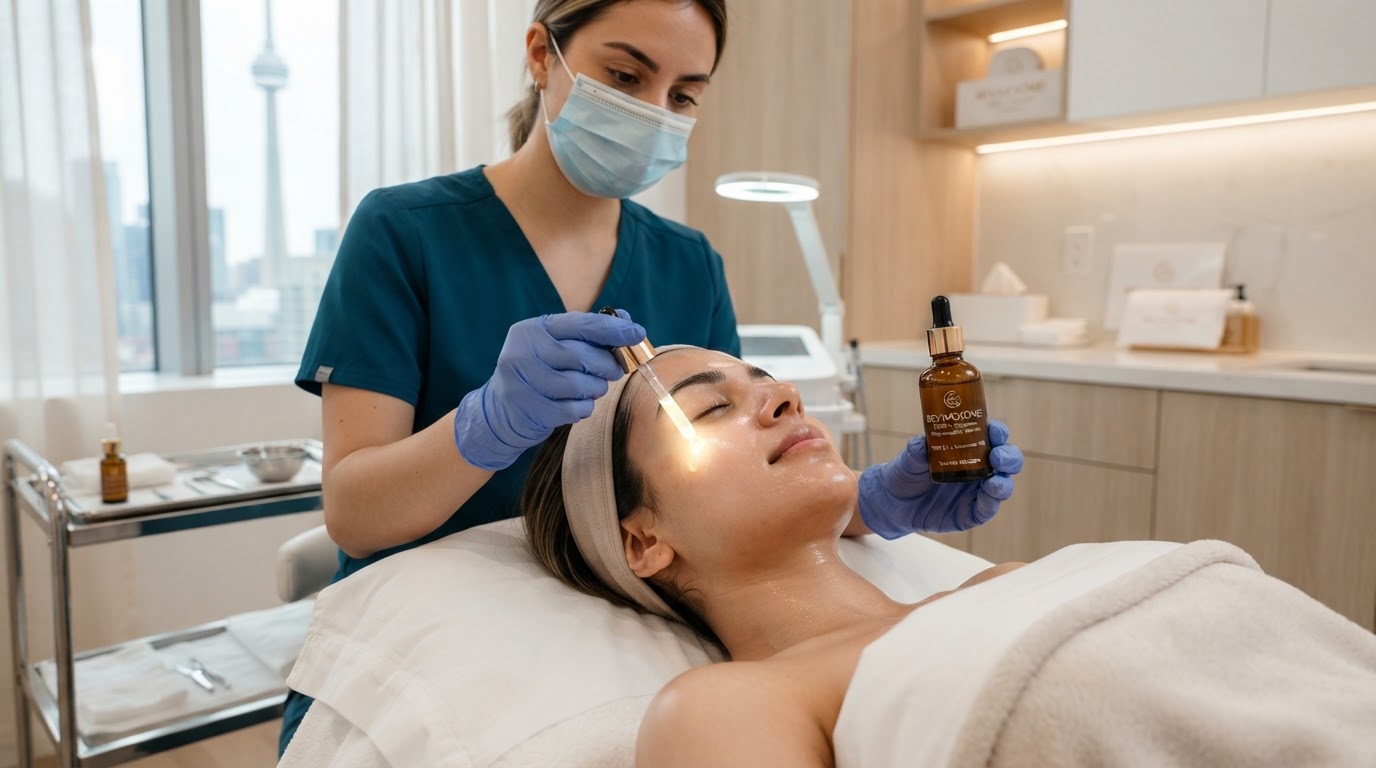
Where PDRN is a single regenerative compound, exosomes are a complex package of signaling molecules. This richness makes exosomes a powerful option for more intensive rejuvenation, particularly for ageing, scarring, and damaged skin. The breadth of signals is why exosomes are often the choice when more significant change is the goal.
PDRN vs Exosomes: The Key Differences
How They Work
PDRN works primarily by supporting DNA repair and reducing inflammation, encouraging cells to regenerate. Exosomes work by delivering a broad array of growth factors and instructions that direct cells to rebuild collagen and repair tissue. Both are regenerative, but exosomes carry a wider, more complex payload of signals.
What They Treat Best
PDRN excels at recovery and general skin rejuvenation — improving tone, elasticity, and healing after procedures. Exosomes are often chosen for more advanced concerns: deeper ageing, significant texture or scarring, and skin that needs intensive repair. Both can be paired with microneedling to drive the actives deeper into the skin for amplified results.
Intensity and Downtime
Both are generally well-tolerated with minimal downtime, especially when delivered topically or with microneedling. Exosome treatments can be more intensive depending on the delivery method, but neither requires the recovery time of aggressive lasers or deep peels. For most clients, a regenerative session fits into a normal week without significant disruption.
Which Is Right for You?
There's no universal answer — the right choice depends on your skin's condition, your goals, and your budget. If you're focused on recovery, maintenance, and overall skin quality, PDRN may be the ideal fit. If you're targeting more advanced ageing, scarring, or significant damage, exosomes may deliver more dramatic results. In many cases, the two are complementary rather than competing, and a combined approach can be designed around your needs.
A useful way to frame the decision is in terms of intensity versus consistency. PDRN rewards consistent, gentle application over time and is forgiving enough for most skin types. Exosomes deliver a larger dose of regenerative signaling in a single session and can create more visible change per visit, which also means they tend to be the more premium investment. Neither is inherently better; the right choice is the one matched to what your skin actually needs and what you can realistically commit to over a treatment plan.
Why a Medical Esthetician Should Guide Your Choice
Regenerative treatments are powerful, which means proper selection and application matter. A medical esthetician in Toronto will assess your skin, understand your concerns, and recommend the treatment — or combination — most likely to deliver results without over-treating. Choosing the wrong treatment isn't just inefficient; it can waste time and money on an approach that isn't suited to your skin.
How PDRN and Exosomes Fit Into a Broader Plan
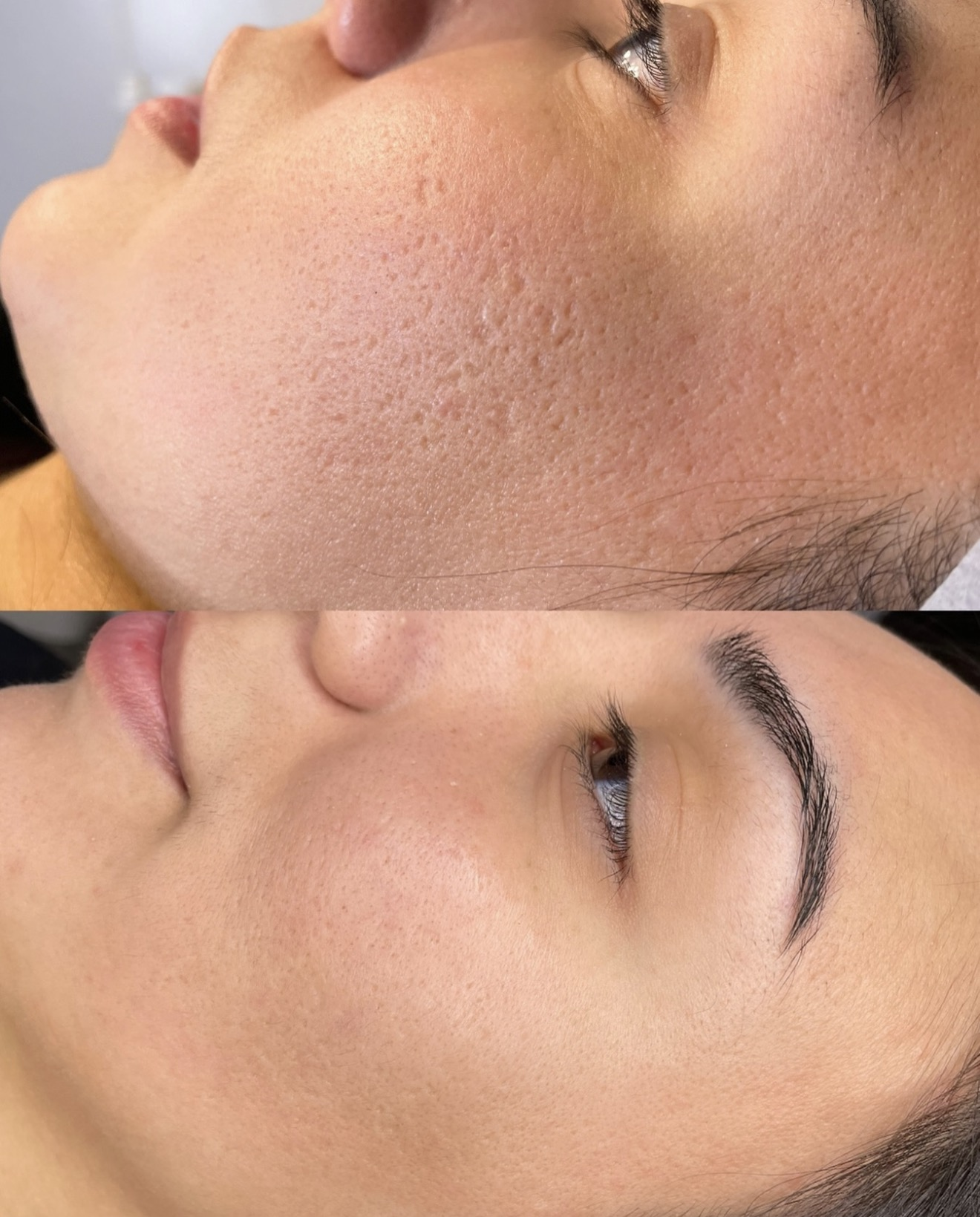
These treatments rarely exist in isolation. PDRN or exosomes are often layered onto a foundation of regular facials, microneedling, or chemical peels to amplify results. For example, microneedling combined with exosomes can dramatically improve acne scarring, while PDRN can speed recovery after a chemical peel series. Your plan should be cohesive, not a collection of disconnected treatments.
This integrative thinking is what separates a skilled medical esthetician from a product menu. Rather than treating PDRN and exosomes as either-or purchases, a good practitioner looks at the full picture — your barrier health, your downtime tolerance, the treatments you're already doing, and the timeline over which you'd like to see change — and assembles a plan where each element supports the others. That way, the regenerative work compounds rather than competing, and you're never paying for a treatment that undermines the one you had last week.
What Results Can You Expect?
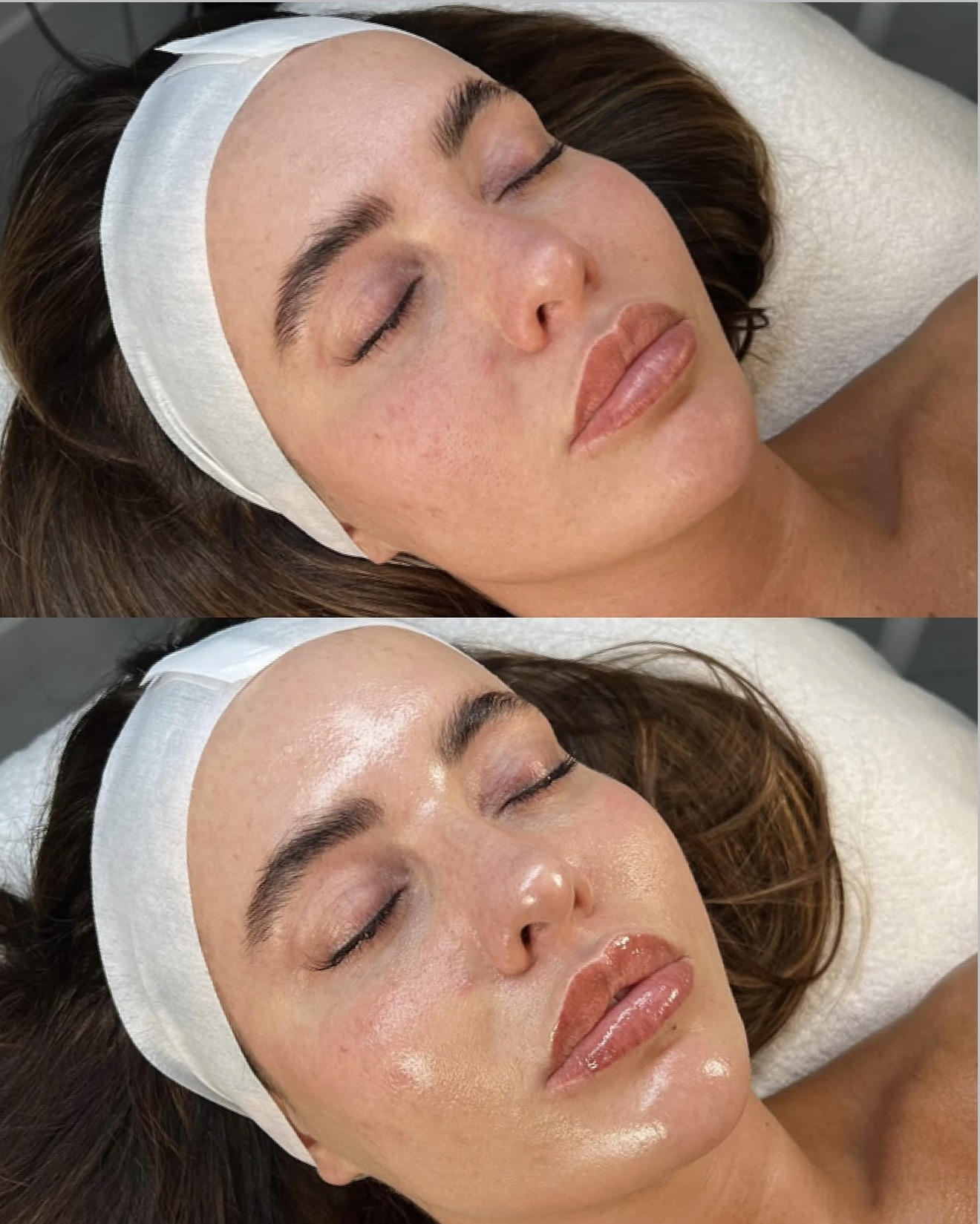
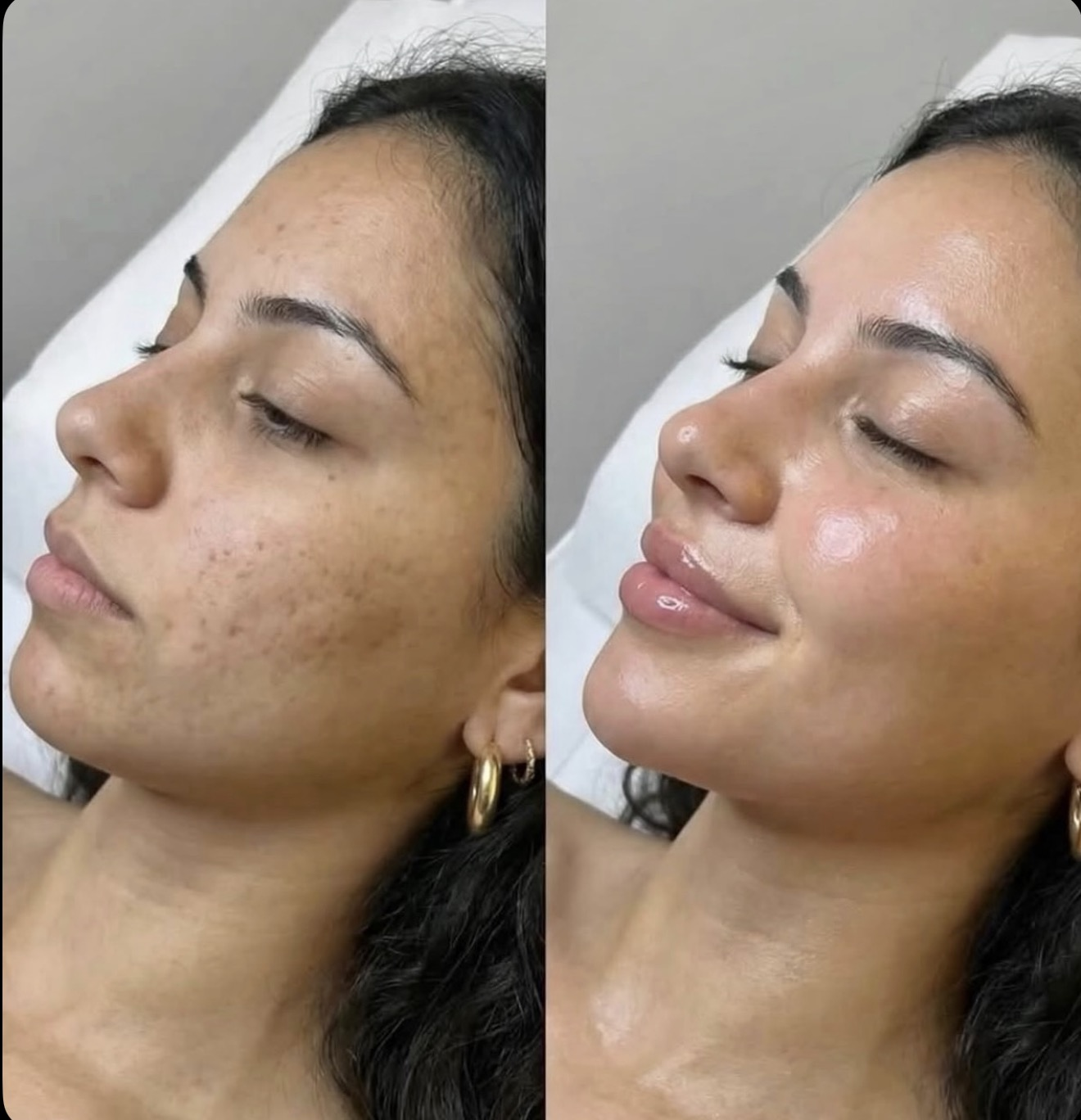
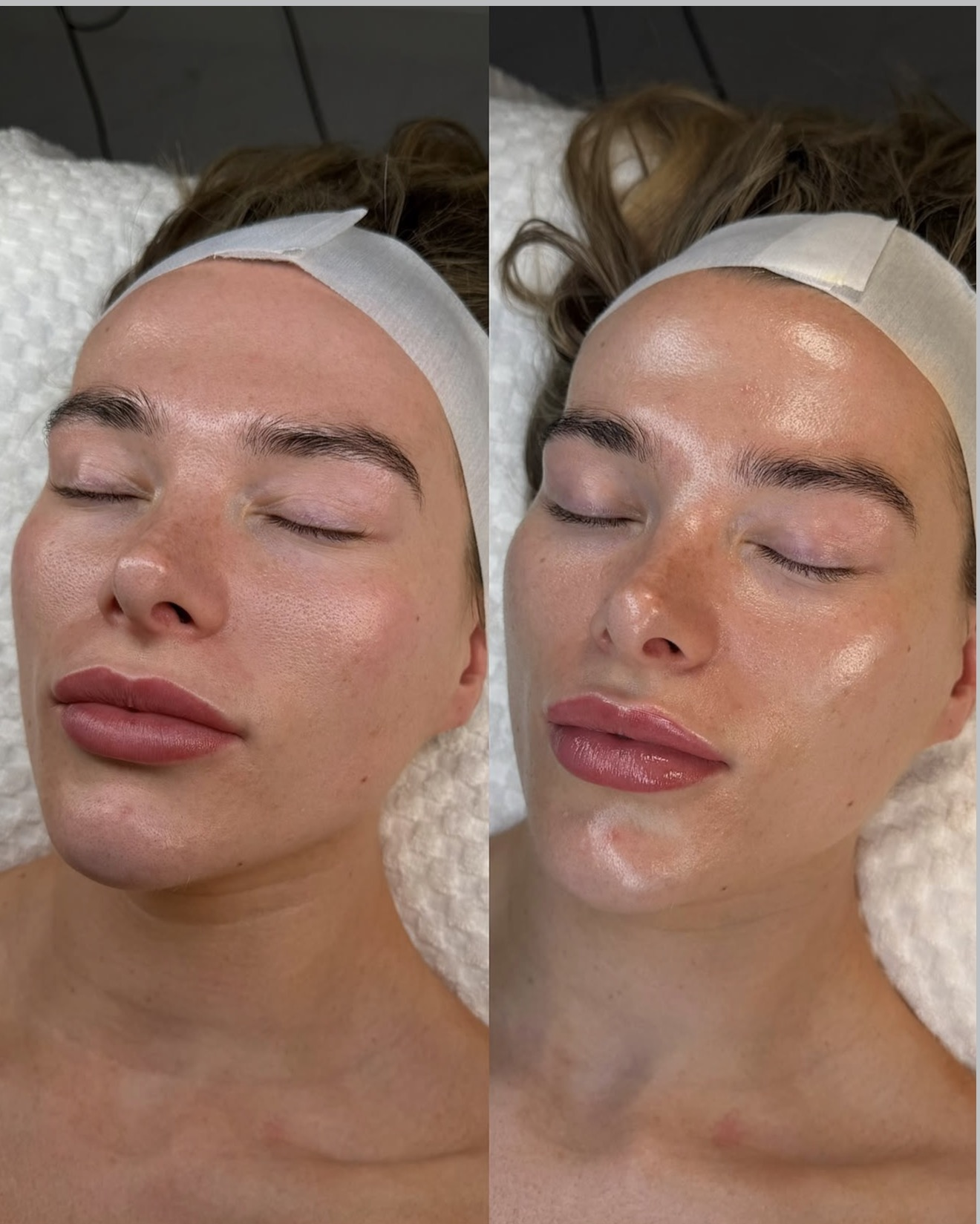
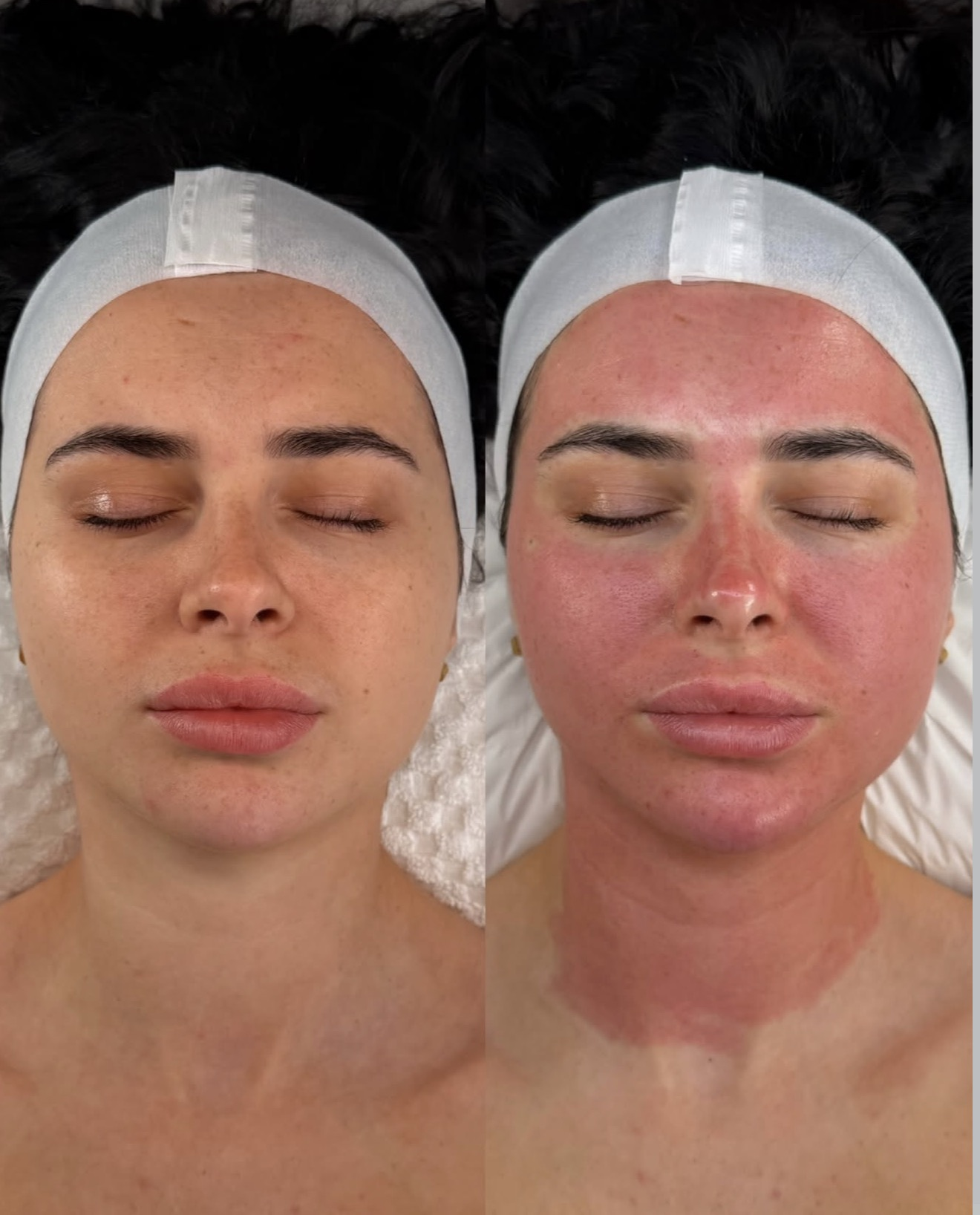
Both treatments work gradually. You may notice improved skin quality, smoother texture, and a healthier glow within weeks, with continued improvement as collagen rebuilds over the following months. Because they stimulate your skin's own repair processes, results build over time rather than appearing all at once. Maintenance sessions help sustain the improvement. Tracking progress with photos helps you see the cumulative change that's easy to miss day to day.
Book a Regenerative Skincare Consultation in Toronto
PDRN and exosomes represent the cutting edge of regenerative skincare, but the best results come from expert guidance. At Toronto Key Esthetics, our medical esthetician will assess your skin and recommend whether PDRN, exosomes, or a combined plan is right for you. Book your consultation and take the guesswork out of advanced skincare.