Thinning hair is one of the most frustrating concerns to navigate, partly because the options often feel extreme — medications with side effects, or surgery. Scalp microneedling has emerged as a compelling middle ground: a minimally invasive treatment that uses the same collagen-induction science behind facial microneedling, applied to the scalp to support healthier, thicker-looking hair. If you've been searching for scalp microneedling in Toronto, here's what you need to know before you book.
Hair thinning affects both men and women, and it carries an emotional weight that other skincare concerns often don't. It's slow, it's visible, and it can feel like there's little you can do. Understanding what scalp microneedling realistically can and can't do is the first step to making a confident, informed decision — and to setting expectations so you can recognize real progress when it happens.
What Is Scalp Microneedling?
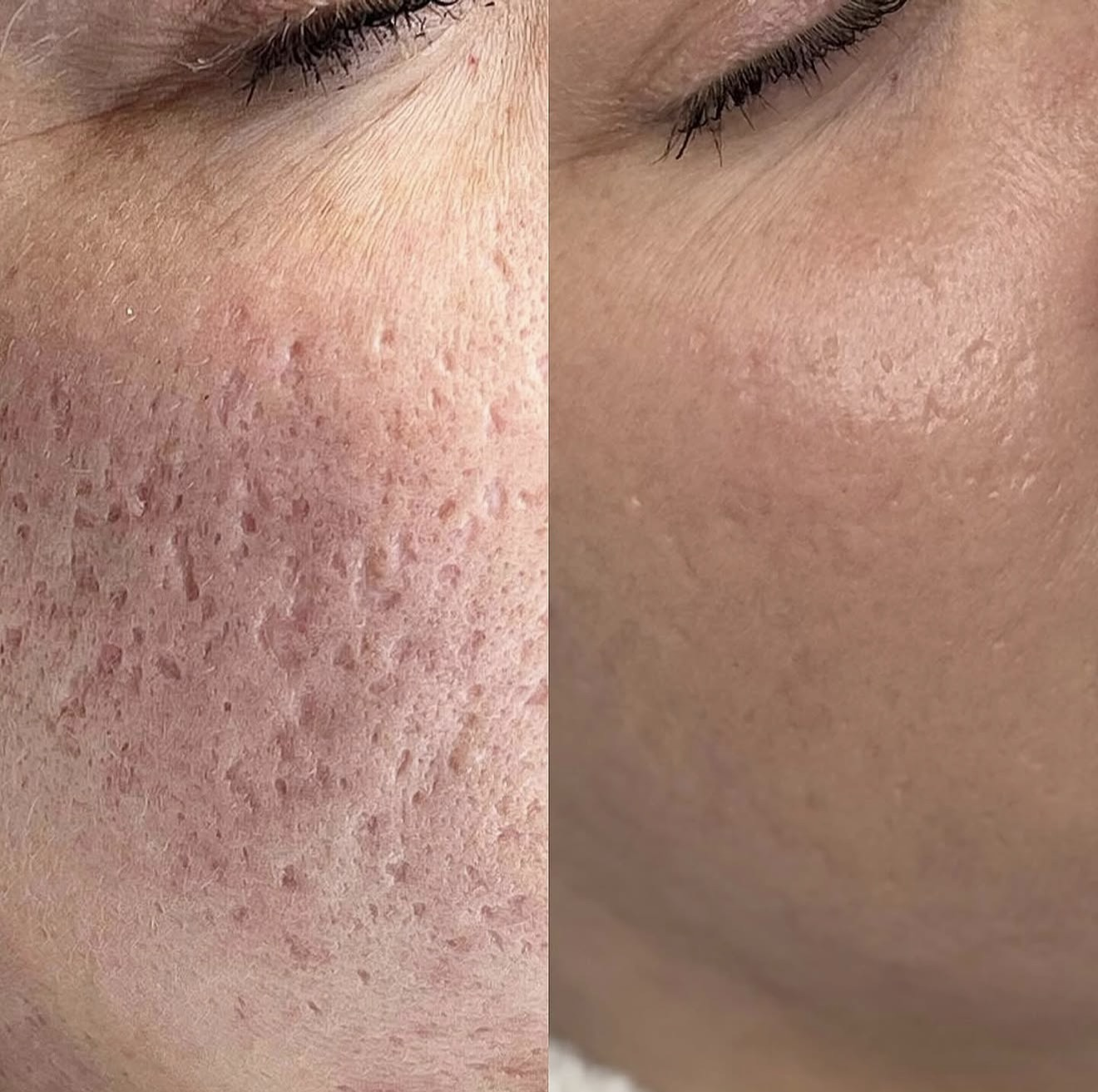
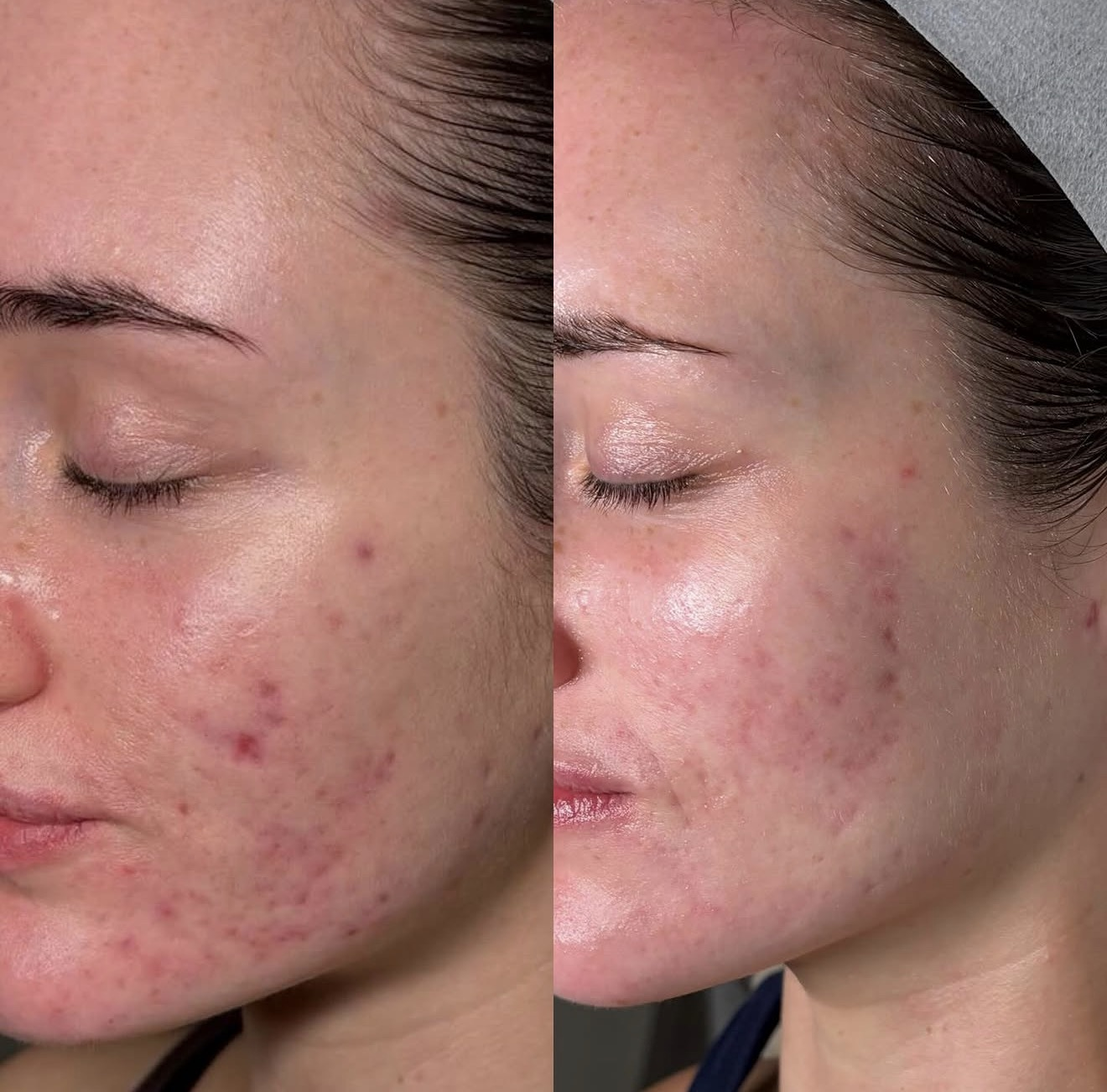
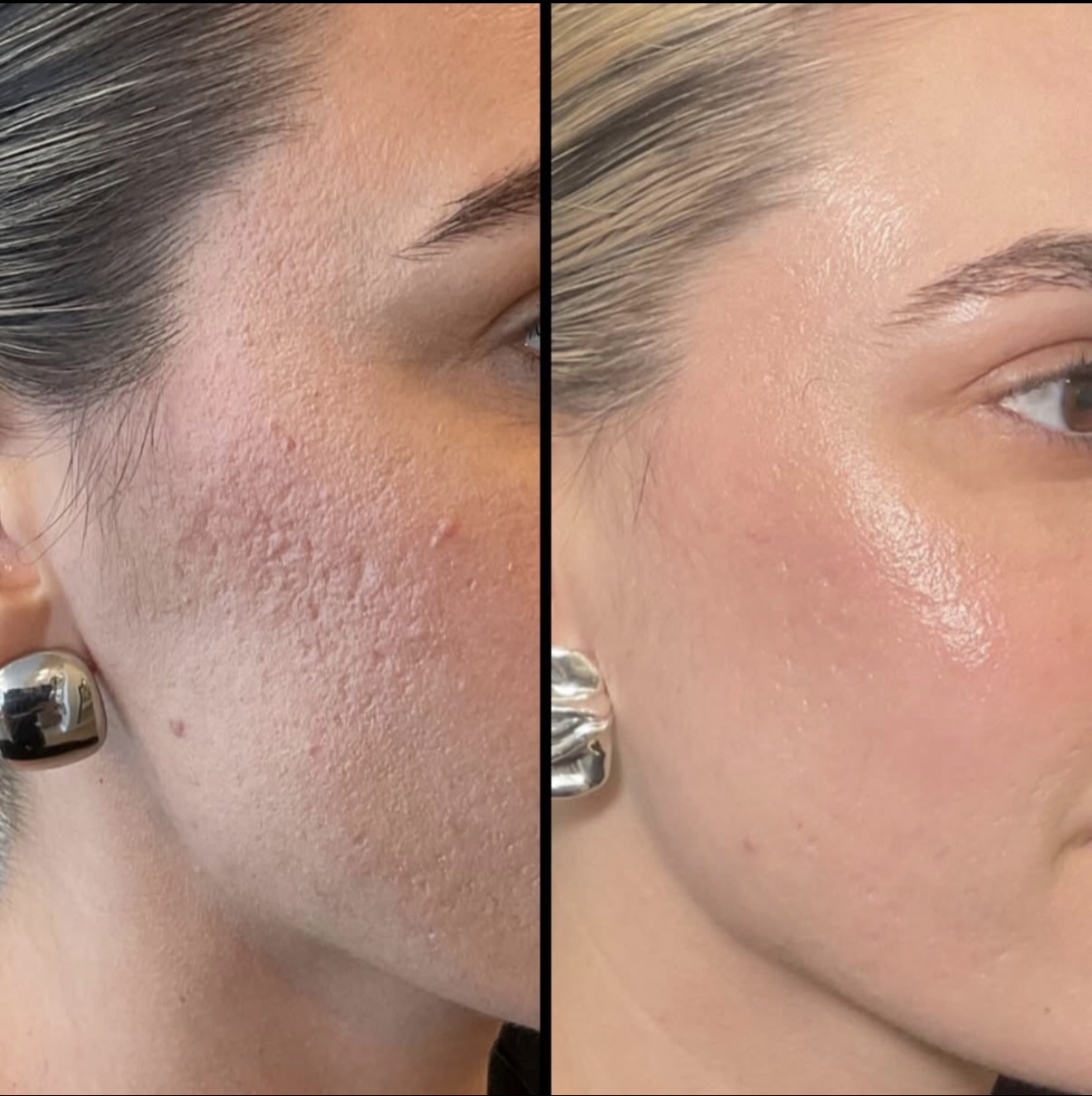
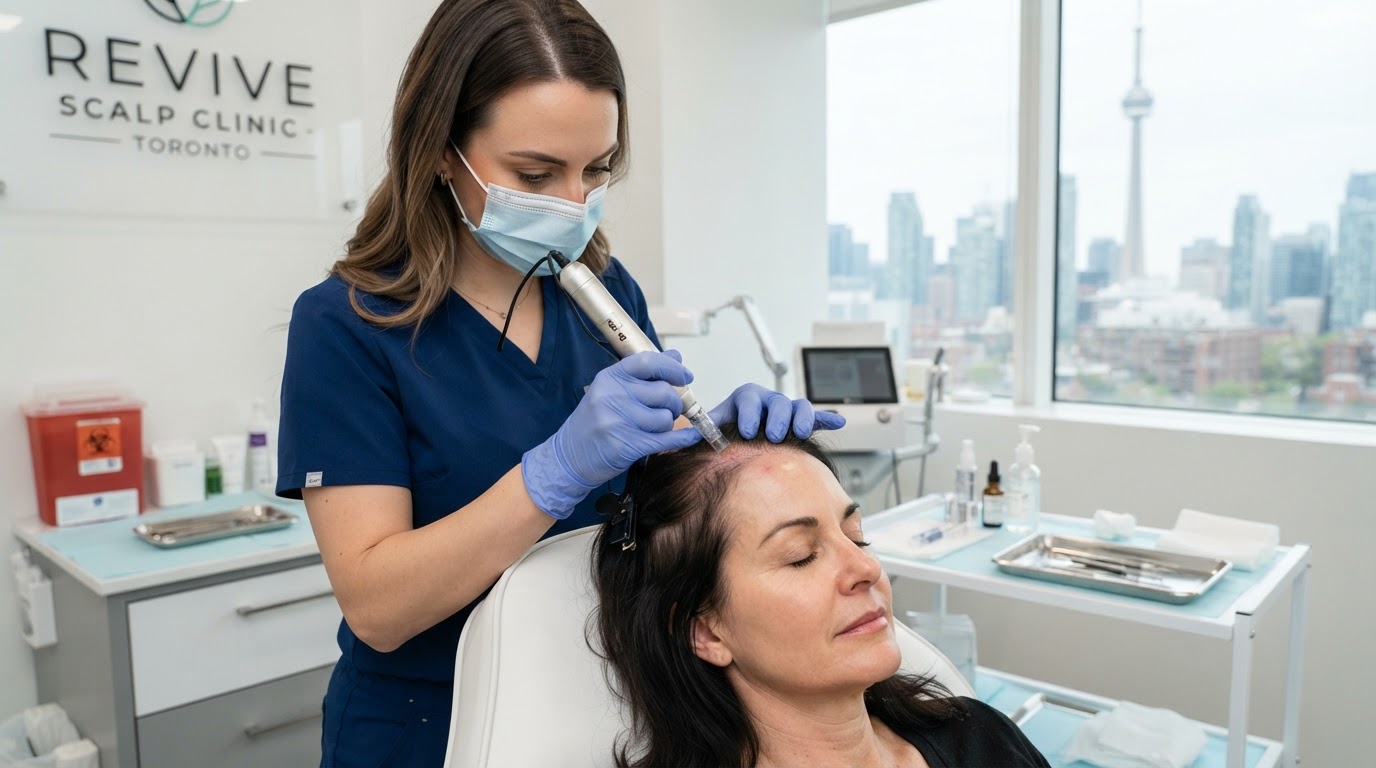
Scalp microneedling uses a precision device fitted with fine needles to create controlled micro-injuries across the scalp. Just as microneedling on the face triggers collagen and elastin production, microneedling on the scalp triggers a wound-healing response in the hair follicles. That response increases blood flow to the follicles and stimulates the cells responsible for hair growth.
The treatment is sometimes called collagen induction therapy for the scalp, and it's increasingly offered alongside topical hair-growth serums because the micro-channels created by the needles can improve the absorption of active ingredients into the follicle. Think of it as creating tiny pathways that allow supportive serums to reach where they're needed most, rather than sitting on the scalp's surface.
How Scalp Microneedling Supports Hair Growth
Increased Blood Circulation
Hair follicles rely on a steady supply of oxygen and nutrients delivered through the scalp's blood vessels. Microneedling stimulates circulation, delivering more of what follicles need to produce stronger, healthier hair. Improved blood flow also helps clear metabolic waste from around the follicle, creating a healthier environment for growth.
Stem Cell Activation
The micro-injuries signal the skin to deploy stem cells to the area for repair. In the scalp, this process is thought to help reactivate dormant or sluggish follicles, encouraging them back into the growth phase. This is why scalp microneedling for thinning hair tends to work best when follicles are still present but underperforming rather than absent entirely.
Enhanced Product Absorption
When paired with topical growth serums, the micro-channels created during scalp microneedling allow those actives to penetrate more deeply into the follicle, potentially improving their effectiveness compared to topical application alone. This is one of the reasons a combined approach often outperforms either the needling or the serum used in isolation.
Who Is a Good Candidate for Scalp Microneedling?
Scalp microneedling tends to work best for early to moderate thinning, where follicles are still present but underperforming. It can be effective for both men and women experiencing general thinning, stress-related shedding, or age-related density loss. It is not a solution for completely bald areas where follicles are no longer active — in those cases, a consultation will help determine whether another approach is more appropriate.
Because microneedling doesn't rely on heat or chemicals, it's generally suitable across a range of skin types. A thorough scalp assessment is the first step to confirm the follicles are viable and to rule out underlying conditions — such as inflammation or nutritional causes — that need a different approach. Treating the wrong cause with microneedling wastes time, which is why an assessment is non-negotiable before starting.
What to Expect During a Scalp Microneedling Session
Your appointment begins with a scalp assessment and cleansing. A topical numbing solution is applied to keep you comfortable, as the scalp can be more sensitive than the face. The microneedling device is then moved systematically across the treatment area. Most clients describe the sensation as a mild vibration or light prickling rather than pain.
If a growth serum is part of your plan, it's applied during or immediately after the needling so the micro-channels can absorb it. The session typically takes 30 to 45 minutes, and there is little to no downtime — most clients return to normal activities the same day. Mild redness or sensitivity of the scalp may last a day, but it's rarely visible beneath the hair.
How Many Sessions Will You Need?
Hair growth cycles are slow, so patience is essential. A typical scalp microneedling plan involves an initial series of sessions spaced two to four weeks apart, with visible improvement often beginning after the third or fourth session. Because hair grows in cycles, full results are usually assessed over three to six months. Maintenance sessions help sustain the results once the initial series is complete.
Does Scalp Microneedling Really Work?
The evidence is encouraging. Clinical research on microneedling combined with topical treatments has shown improvements in hair density and growth compared to topical treatments alone. Results vary by individual and depend on the cause and stage of thinning, the consistency of treatment, and the health of the follicles. The most realistic expectation is gradual improvement in density and hair quality, not an overnight transformation. Tracking progress with consistent photos is the best way to recognize the subtle changes that add up over a treatment plan.
Scalp Microneedling vs. Other Hair Loss Treatments
Compared to daily medications, scalp microneedling is a treatment you receive in-clinic on a schedule, with no daily routine to maintain. Compared to hair transplant surgery, it's non-surgical, far less invasive, and more affordable. For many clients, scalp microneedling sits in a valuable middle ground — effective enough to make a real difference, gentle enough to fit into a normal lifestyle. It can also be used alongside other approaches to support overall hair health.
Book a Scalp Microneedling Consultation in Toronto
If thinning hair is affecting your confidence, scalp microneedling in Toronto is a proven, non-surgical option worth exploring. At Toronto Key Esthetics, our medical esthetician will assess your scalp, explain what results you can realistically expect, and build a treatment plan tailored to you. Book your consultation and take the first step toward healthier, fuller-looking hair.